
From Reactive to Proactive: How Modern Venues Monitor Lighting Networks Before Problems Happen
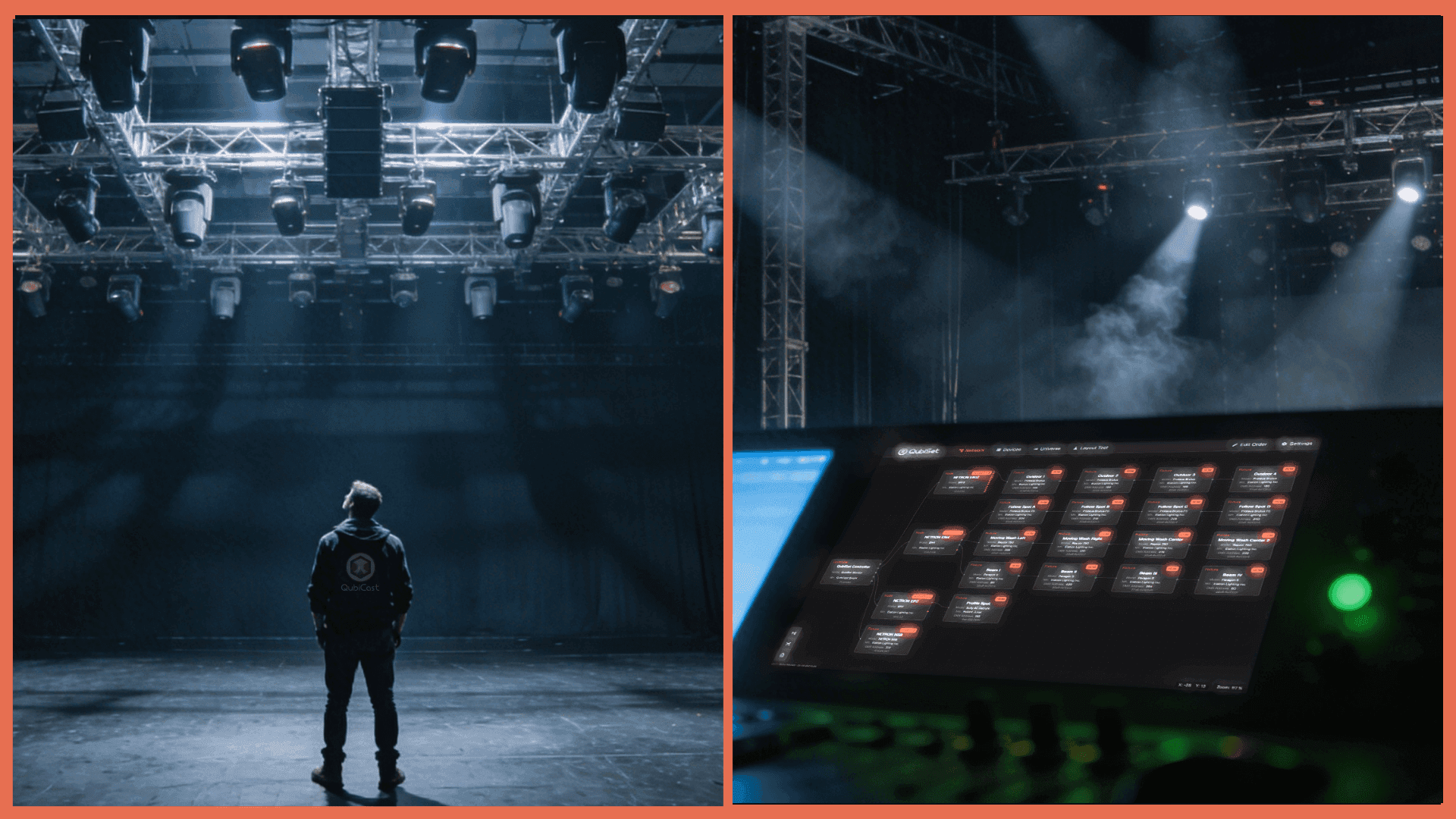
There's a ritual that every lighting technician at a busy venue knows well. An hour before soundcheck, you walk the rig. You power everything on, watch for the fixtures that don't come up, and start the mental triage: Which ones are fixable before doors, which ones can be worked around, and which ones are going to be someone's problem tonight.
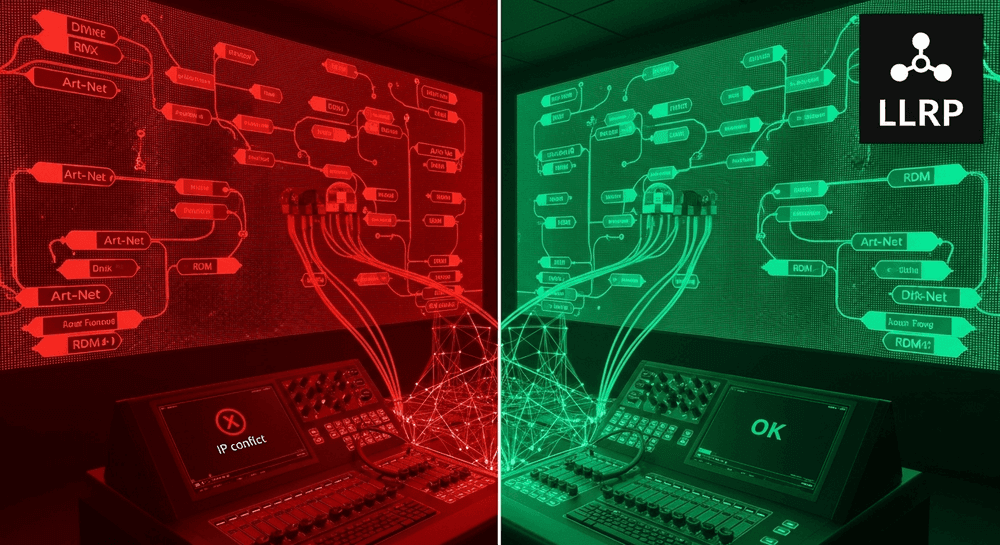
For most of the industry's history, this was fine. Rigs were smaller, fixtures were simpler, and the consequences of a dead unit were manageable. But on a modern networked installation running Art-Net across hundreds of devices from multiple manufacturers, the walk-the-rig approach has a fundamental limitation: It only catches problems that have already happened.
What Changes with Continuous Monitoring
The RDM protocol (ANSI E1.20) has supported device-level sensor reporting since 2006. Temperature, lamp hours, device status, configuration state. Most modern moving heads and LED engines implement at least some of these. The capability to know what your fixtures are doing between shows has existed for nearly two decades. The gap is in the workflow, not the technology.
Continuous monitoring means three things in practice:
- knowing which devices are online and responding at any given moment,
- receiving automated alerts when a device's status changes unexpectedly,
- and building historical context to separate a normal reading from an emerging trend.
A mid-size venue running this approach catches a failing power supply in a network node on a Tuesday afternoon, not during Friday's load-in. An arena catches a truss pocket with ventilation issues before a fixture overheats during a summer festival run. These aren't hypothetical benefits. They're the natural result of paying attention to data that was always being reported.
Getting Started Without Overthinking It
Proactive monitoring doesn't require a major investment to begin. At the simplest level, tools like Wireshark give you packet-level visibility into your network traffic. sACN View confirms which universes are active. Neither was built for ongoing monitoring, but both help establish what a healthy network looks like on a normal day, which is the baseline everything else is measured against.
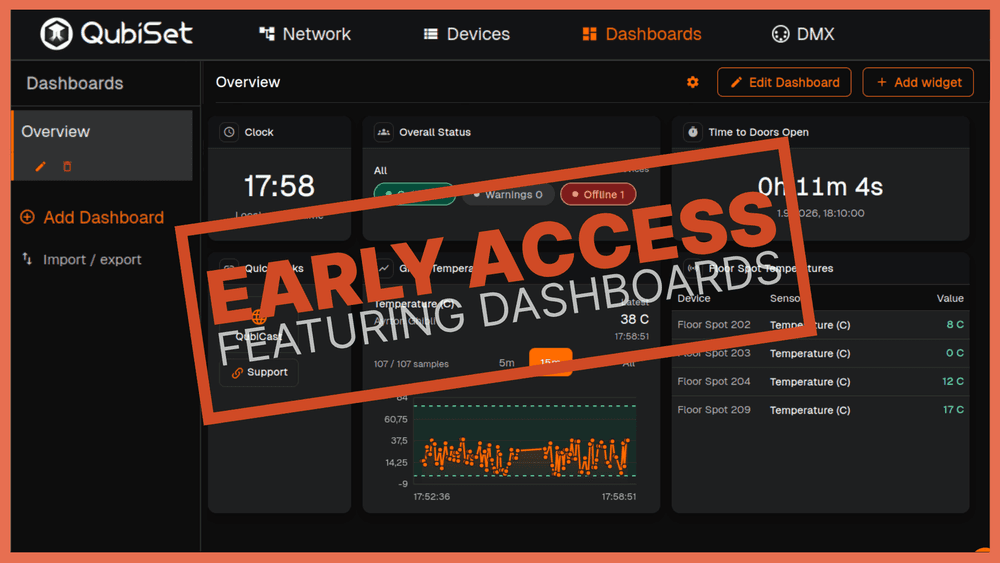
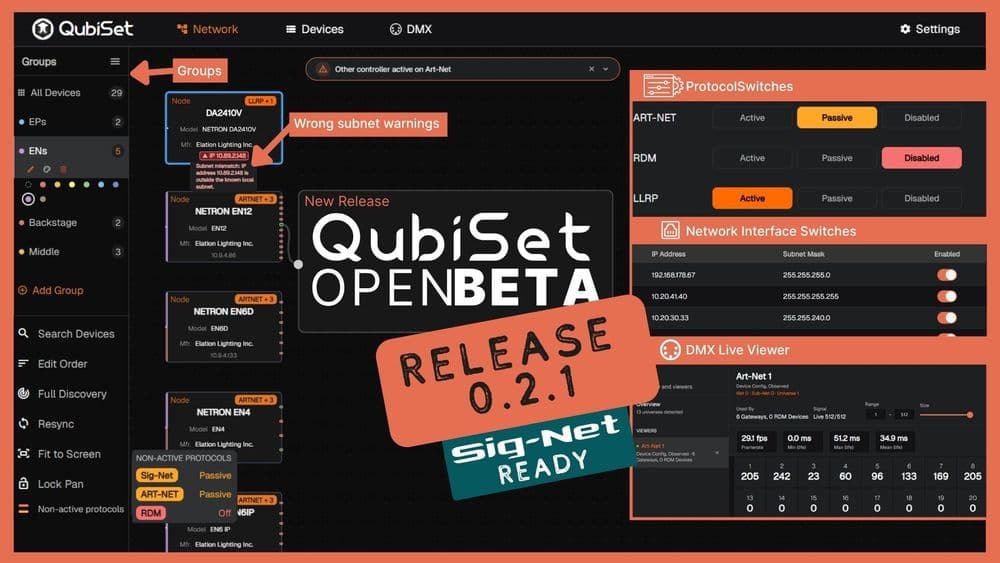
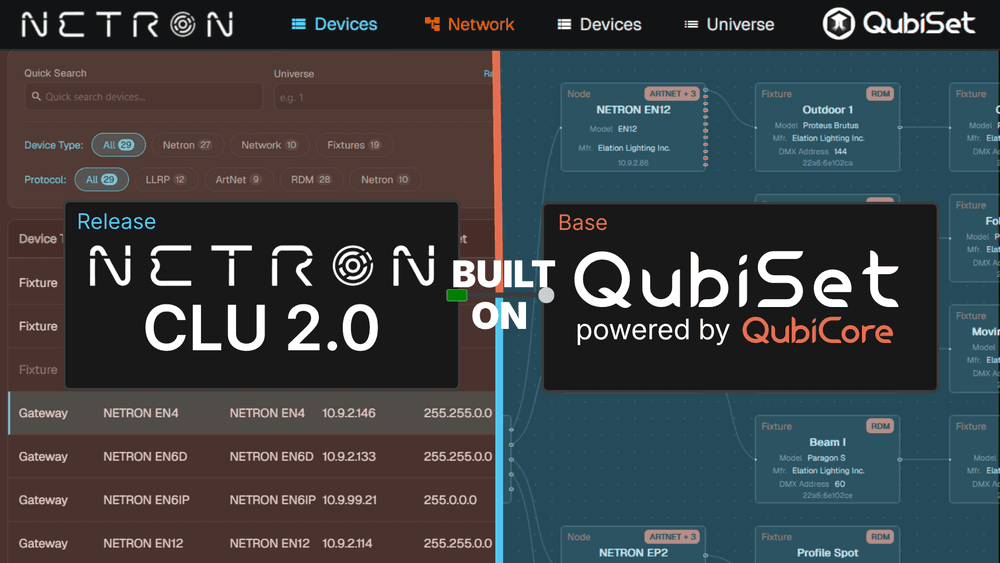
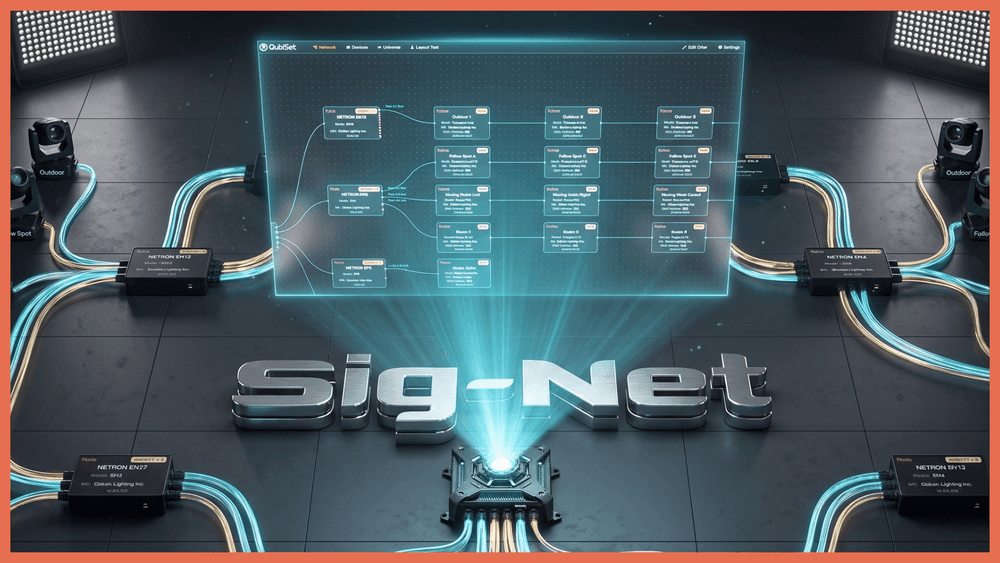
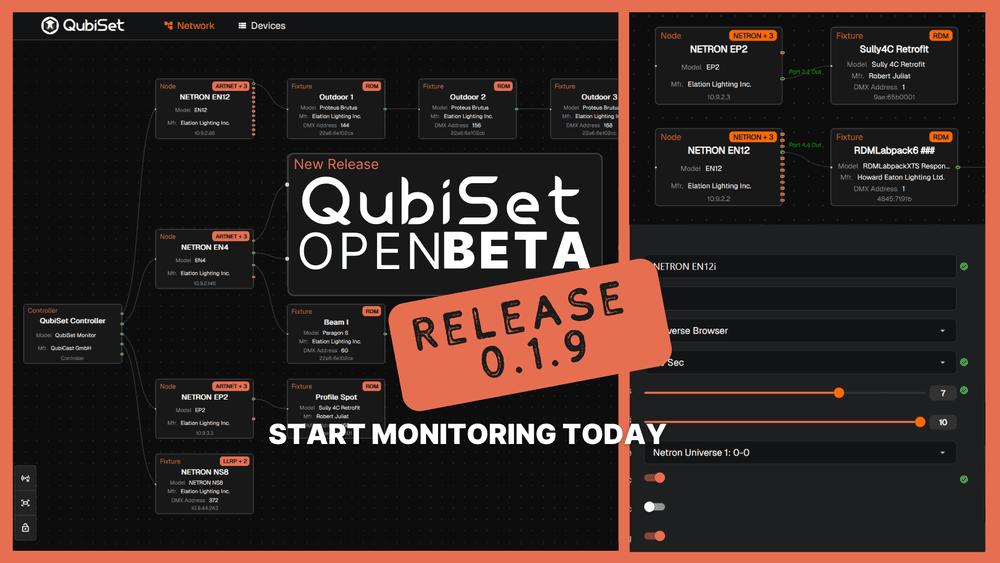
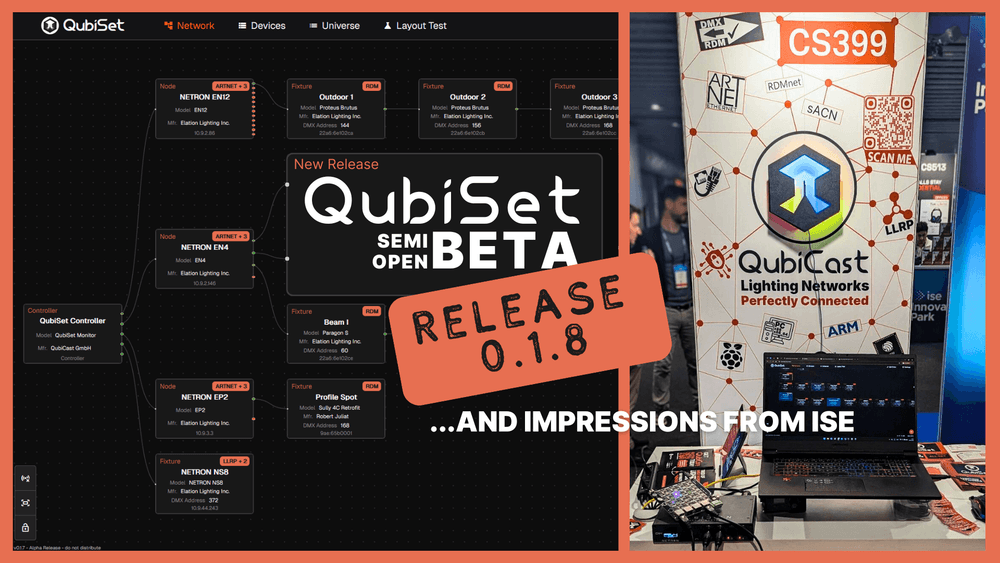
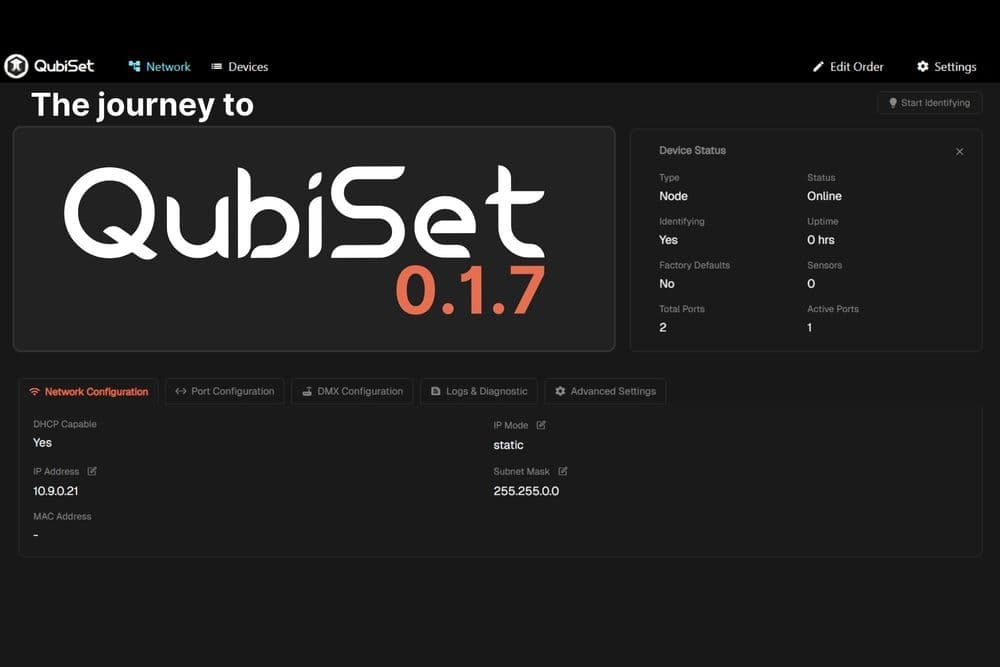
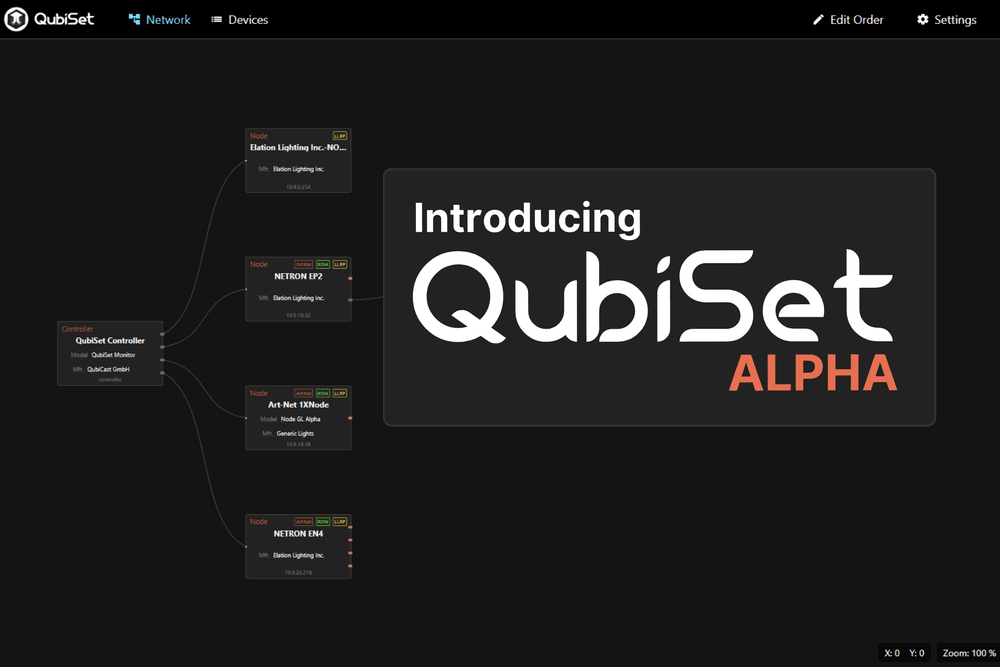
For venues ready to move beyond manual checks, purpose-built monitoring tools handle continuous polling, alerting, and device tracking. QubiSet, currently in beta, covers auto-discovery, live device status, and configuration management across Art-Net, RDM, and LLRP regardless of manufacturer. Other tools like ETC's Concert or Luminex’s Araneo offer strong monitoring capabilities for Net3 networks but full feature availability often depends on the hardware ecosystem you’re running. The right tool for your rig ultimately comes down to how many manufacturers you're running and whether cross-vendor visibility is a priority.
The Part That's Actually Difficult
The technology has been available for years. What changes slowly is the assumption that lighting is a reactive discipline: That you fix what breaks and replace what fails, and that this is just how it works.
That assumption made sense when the only diagnostic tool was a technician's eyes. It makes less sense on a network where every device can report its own condition in real time. The venues and production teams that adopt a monitoring mindset won't eliminate every problem, but they'll have fewer expensive surprises and a lot more boring, uneventful show weekends. Which is the whole point.