
Your brand is on the fixture. Your logo is in the catalog. Your booth is at ISE Show.
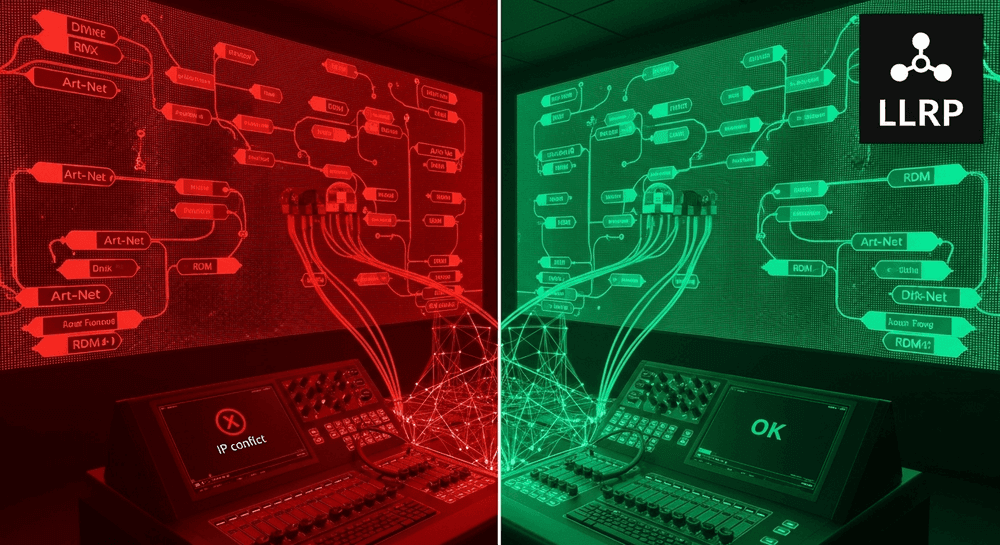
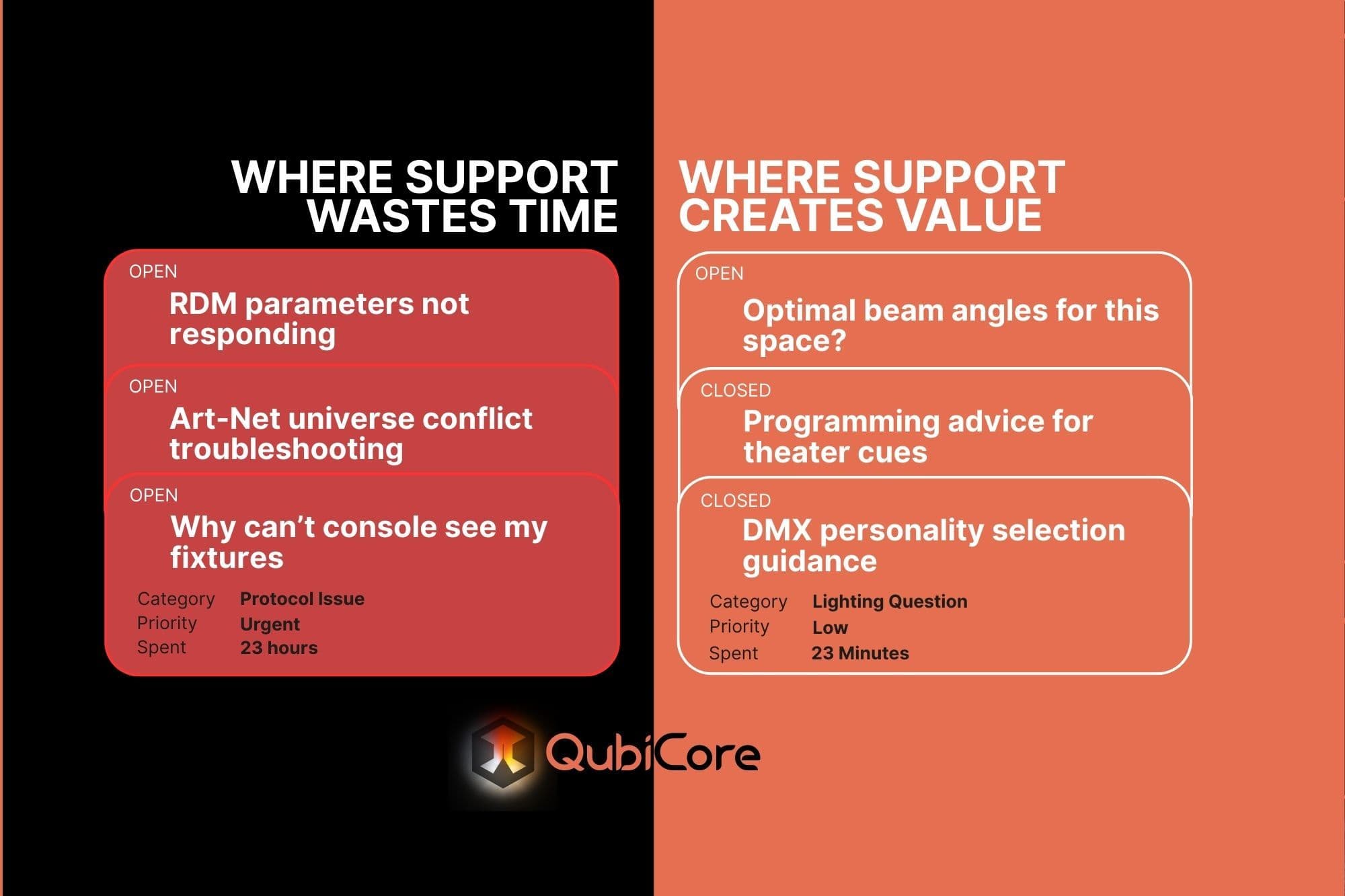
But when RDM discovery fails, when Art-Net configuration goes sideways, or when fixtures won't talk to the control system, the customer calls you. Not the factory that built it. Not the protocol stack vendor. You.
And your support team burns hours troubleshooting network compatibility instead of helping customers light their shows.
What Protocol Issues Actually Cost You
These aren't abstract problems. They show up in your budget.
Engineering time diverted. Every hour your R&D team spends debugging why fixtures won't appear in an integrator's grandMA3 patch window is an hour not spent on your next product. If your engineers handle five protocol escalations a week at two hours each, that's 500 hours a year. Three months of engineering capacity, gone to troubleshooting.
Silent reputation damage. System integrators remember bad deployments. One project where your fixtures caused network headaches and they quietly stop recommending you, even if your optics are excellent. You won't see a complaint. Integrators will quietly start specifying other fixtures, and you won't know why.
Installation friction. Incomplete RDM means what should take minutes (remotely addressing fifty fixtures) becomes hours of manual configuration. That labor cost ends up in the project estimate or on your support line.
Compliance risk building quietly. The EU Cyber Resilience Act becomes mandatory on 11 December 2027. Protocol stacks without active security maintenance create a compliance gap you'll eventually have to close. The question is whether you do it now, on your timeline, or later, under pressure.
The Root Cause
This isn't about bad engineering. It's about the gap between matching protocol spec sheets and working reliably in production on networks with mixed-manufacturer fixtures, VLANs, multicast routing, and configurations that don't match the test lab.
We wrote about why complete protocol implementation matters in detail if you want the technical background. The short version: most implementations cover the core spec but skip the edge cases that cause real-world failures.
What Changes with QubiCore
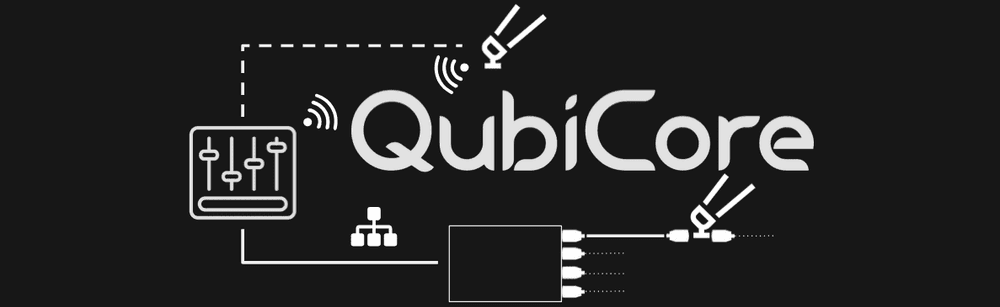
QubiCore is a complete, maintained protocol stack featuring Art-Net 4, sACN, RDMnet, that you license instead of build.
Your support burden drops. Fixtures discover correctly, configure via RDM as expected, and behave consistently alongside other manufacturers' gear. Fewer weird network issues means fewer escalations to your engineers.
Integrators trust your products. When your fixtures work reliably on the first deployment, integrators notice. That reputation compounds.
Compliance stays current. Our Always-On-Top Guarantee means protocol updates and security patches ship to you as standards evolve. CRA readiness isn't your problem to solve alone.
Your engineers focus on fixtures. Instead of spending months implementing and debugging protocol stacks, they design products. You get to market faster with fewer resources tied up in networking code.
QubiCore is already shipping in production lighting fixtures and runs on ARM STM32, ESP32, Raspberry Pi, x86, wherever your hardware needs it.