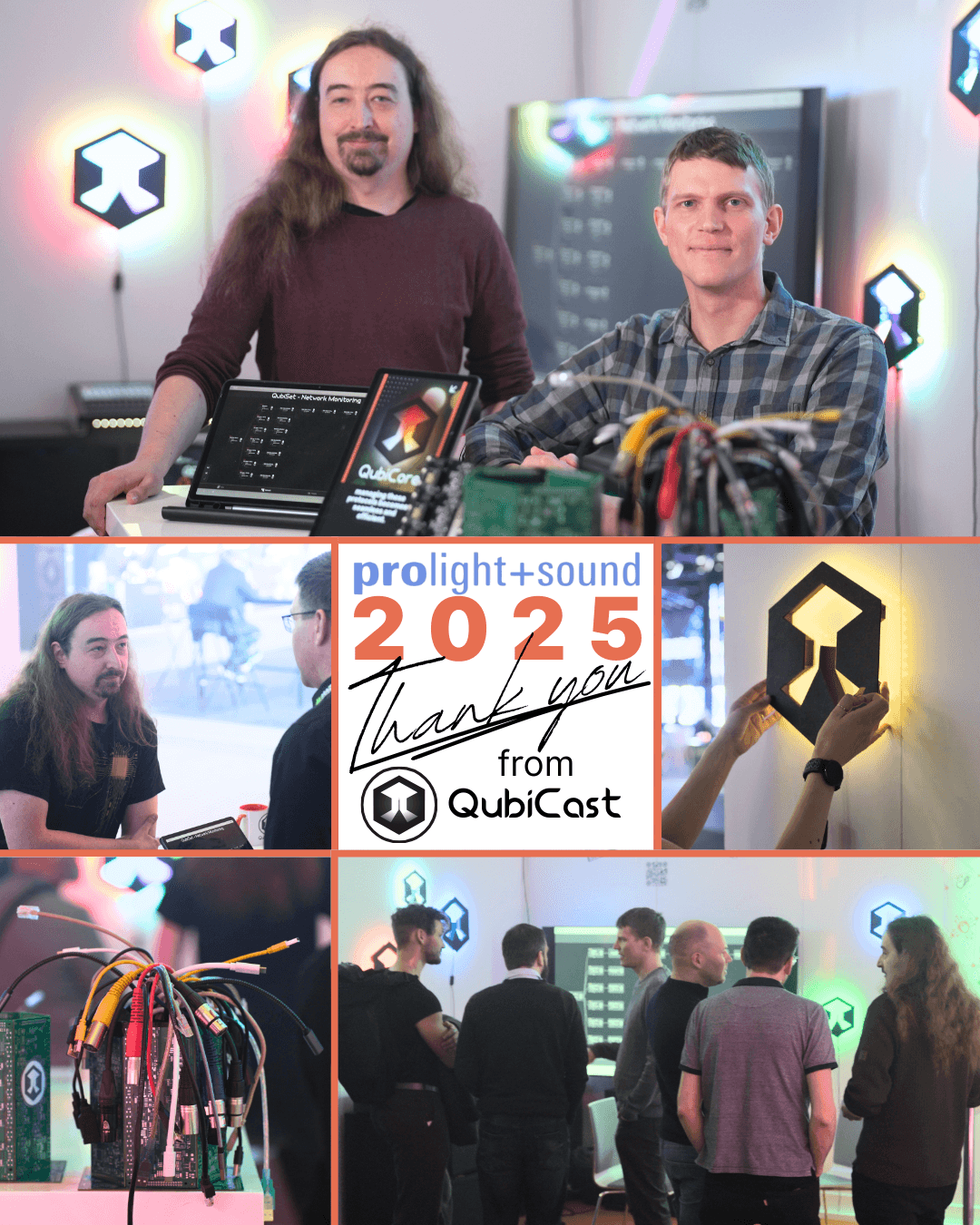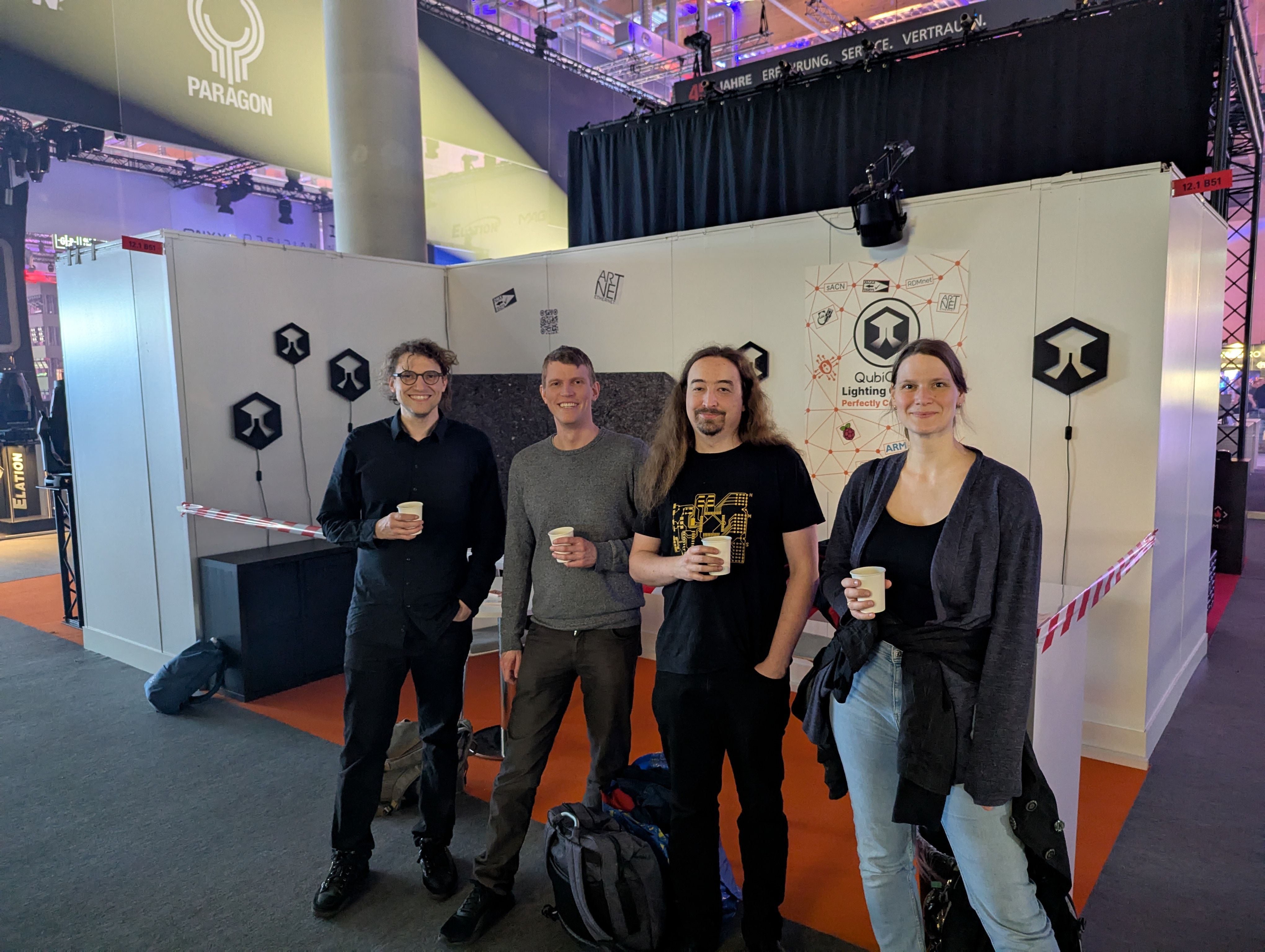

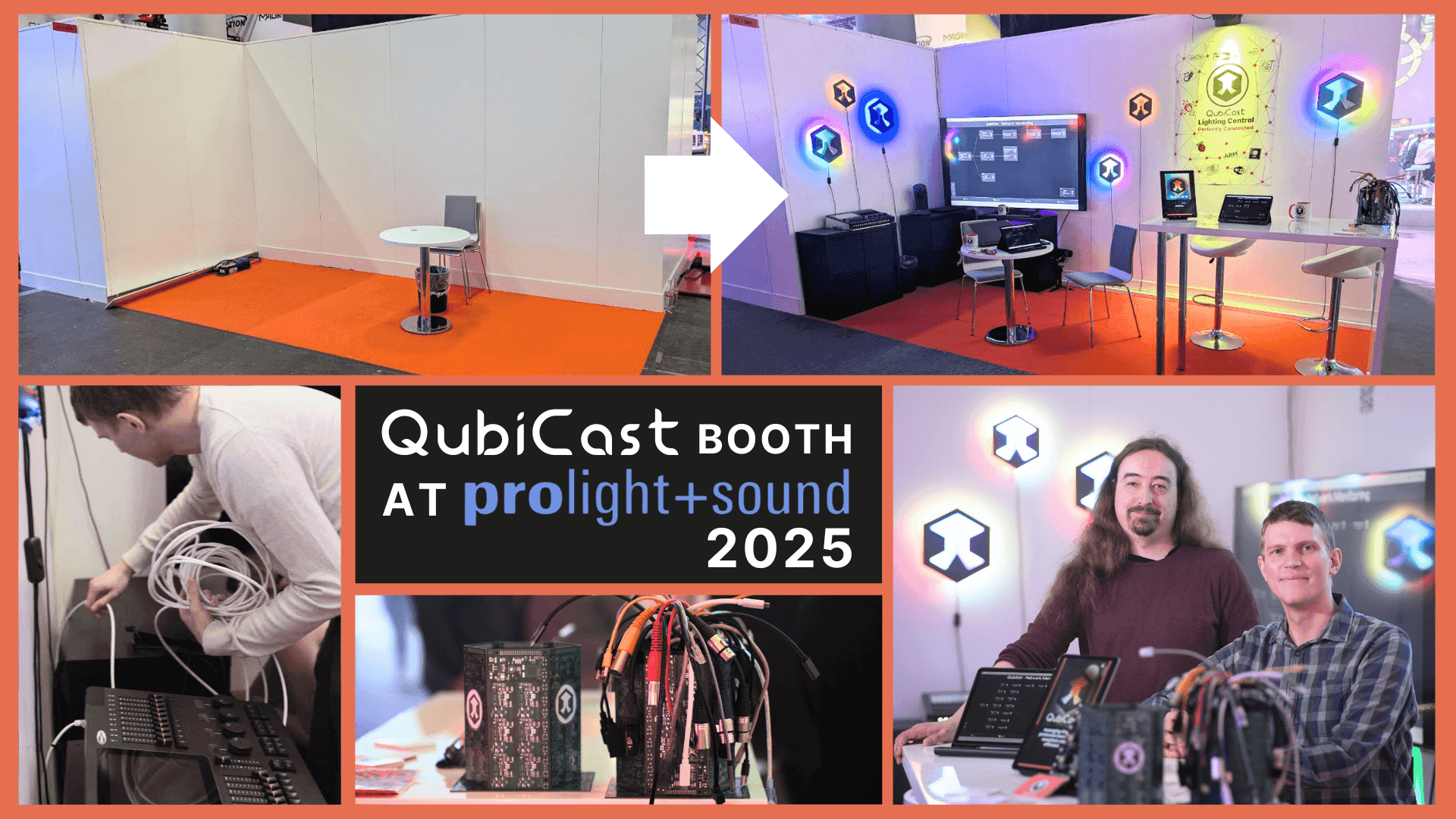
Just one year ago, we founded the company coincidentally one day after visiting ProLight & Sound 2024. This year, we had our own booth there.
I registered us for getting an offer for a stand in the Start-Up Area with Messe Frankfurt in November. Back then, we did not even have a faint idea of how we would present us and our ideas on a fair. We got an offer with a due date in December, but it was far too early to make a decision, so we let that one pass.
In Febuary, we were sent a reminder on the offer and this time, we could think of multiple ways to put QubiCore and QubiSet on display within a week, so we were clearly set on going to the fair as an exhibitor. However, after reading the description of the Start-Up Area again, we figured that this was restricted in ways which made our plans on how to fill the 9m² area impossible.
Picking up the phone and actually talking to the sales team of Messe Frankfurt was more than just helpful here - they made a whole new Start-Up package just for us, with an excellent price and an area in the Hall 12, where our target audience resides.
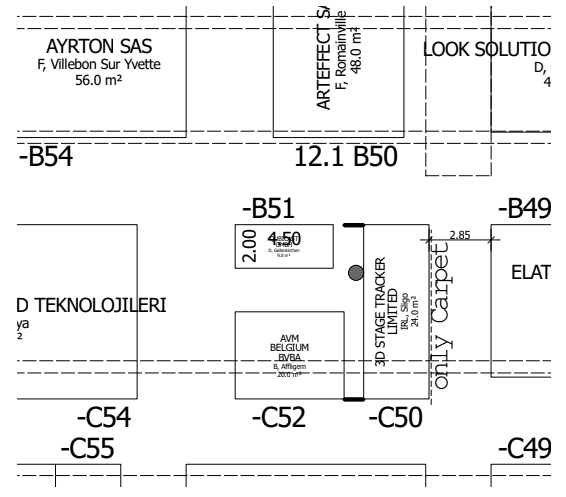
After agreeing to that placement, what followed was a phase of very busily trying to get concrete ideas of how the booth should look like, where exactly we want to display what in which way and reading regulations to figure out how they would restrict us. (Protip for the last point: Don't even bother reading the AGB. I did. It is long and contains so many rules that are ignored by just about every single booth that I am left puzzled as to why it even exists.)
We wanted to build two things to show at the fair:
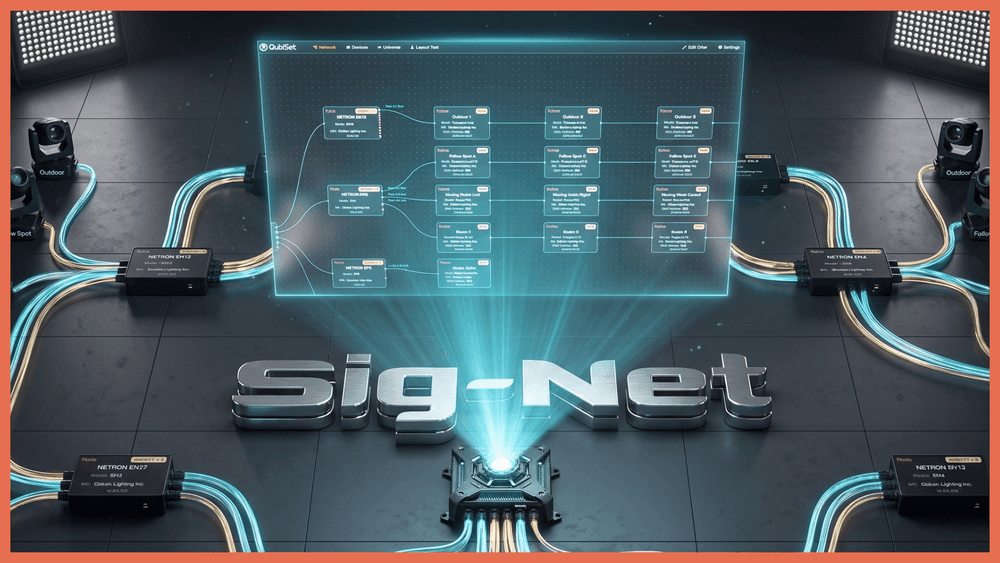
- 3D-Logos with LED strips and a Raspberry Pi Pico running our Art-Net and sACN-Stack, QubiCore
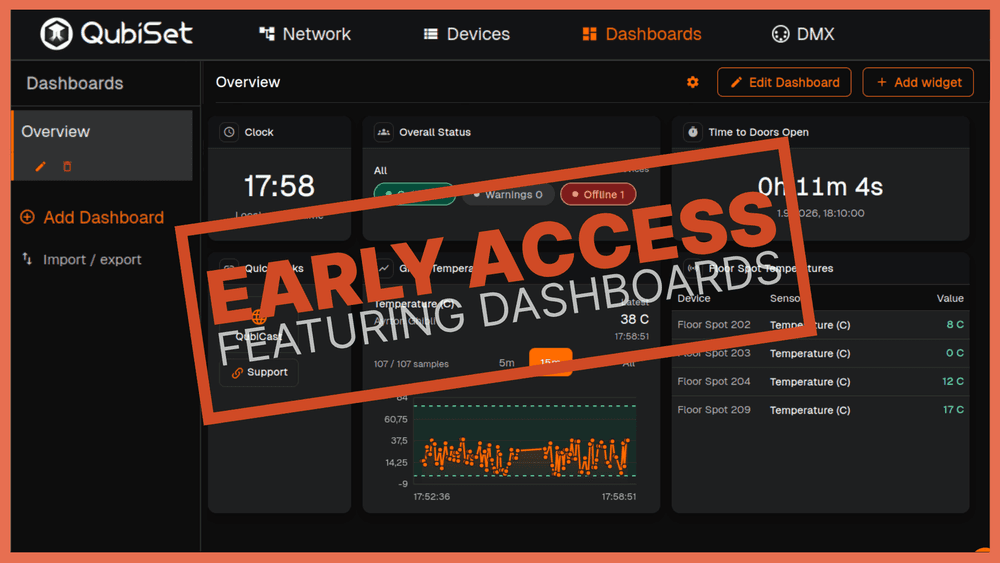
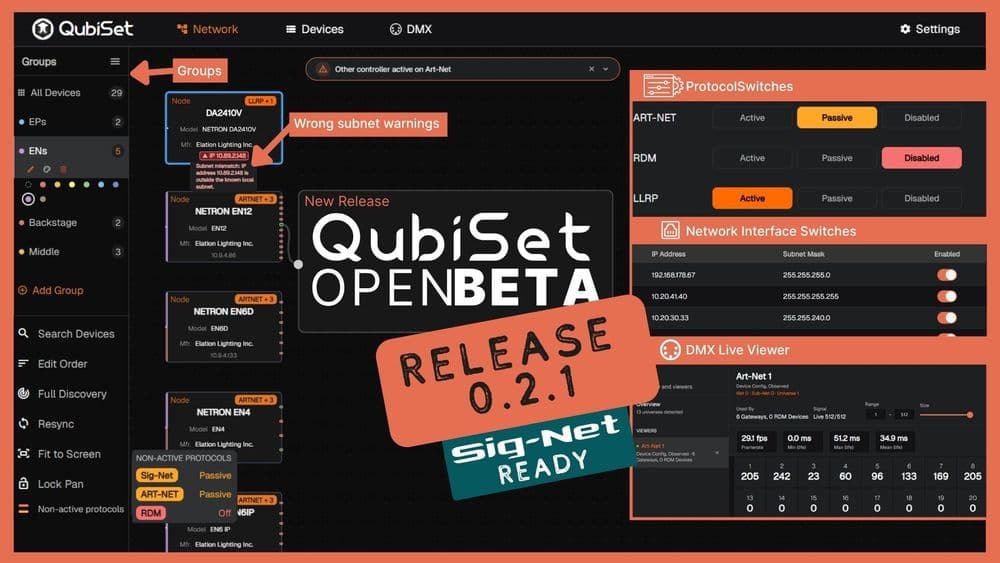
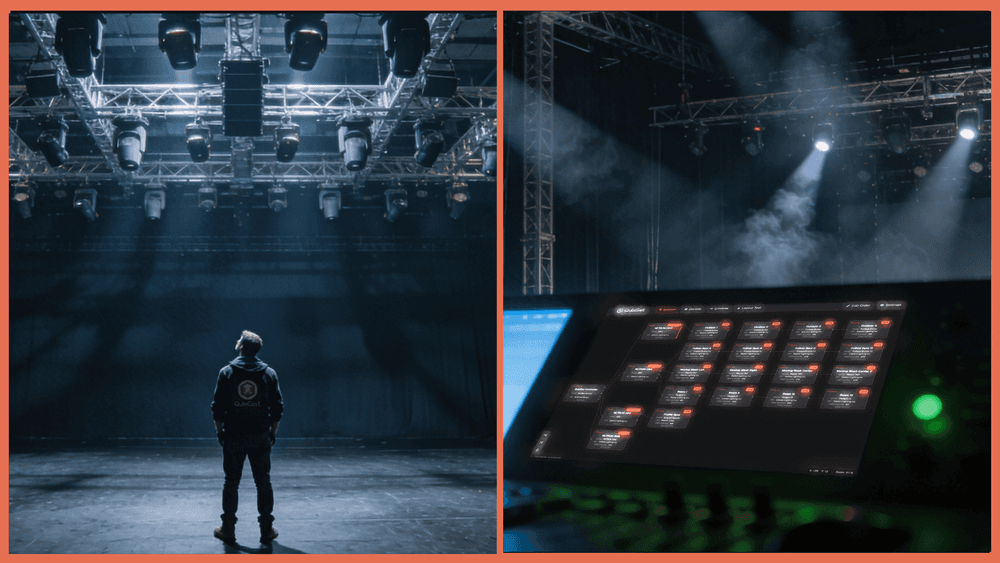
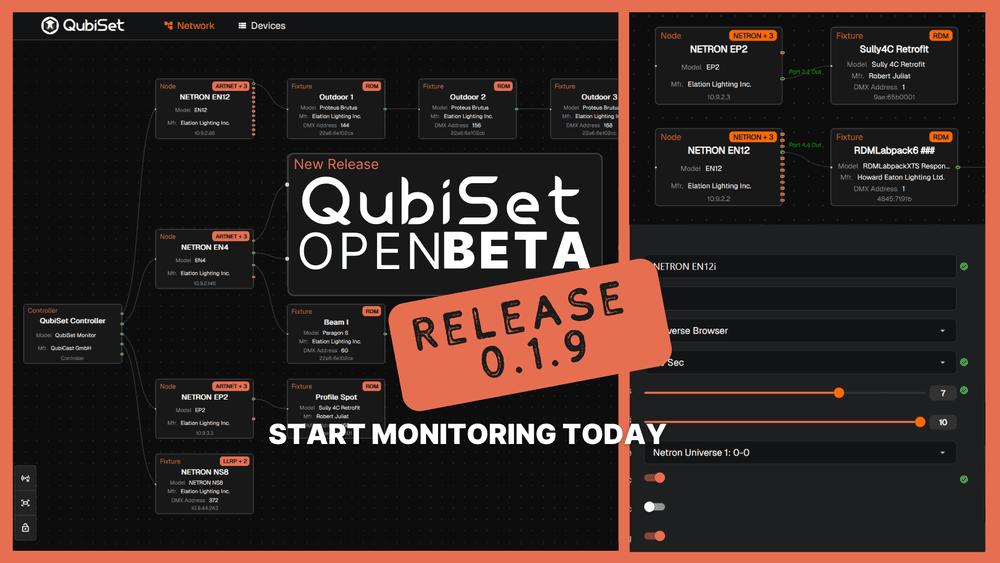
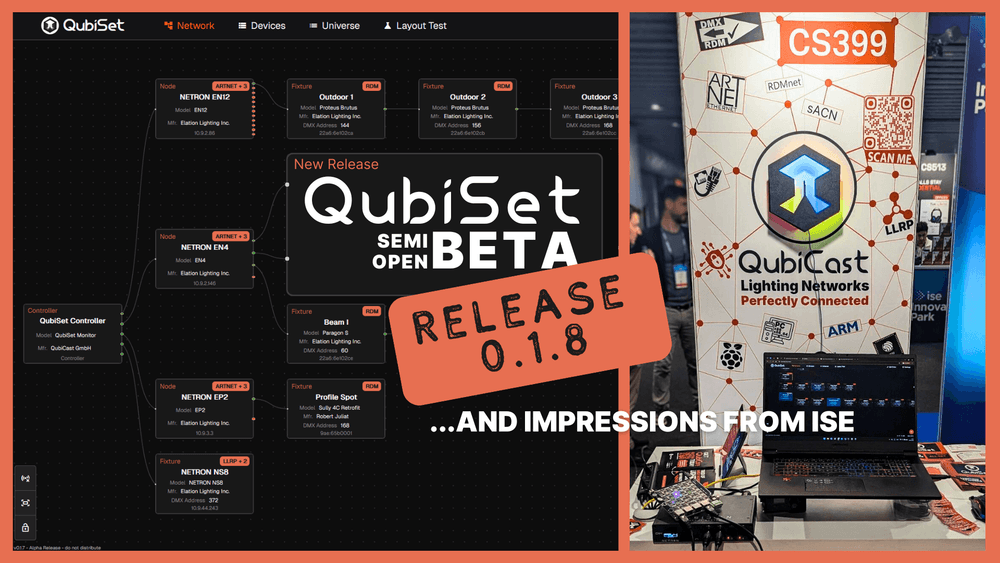
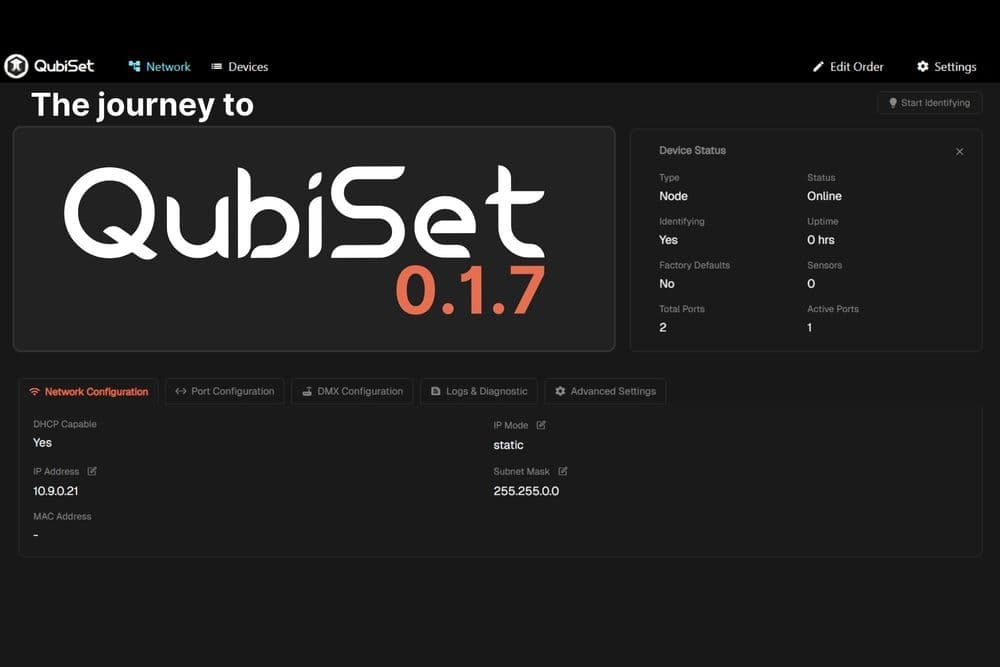
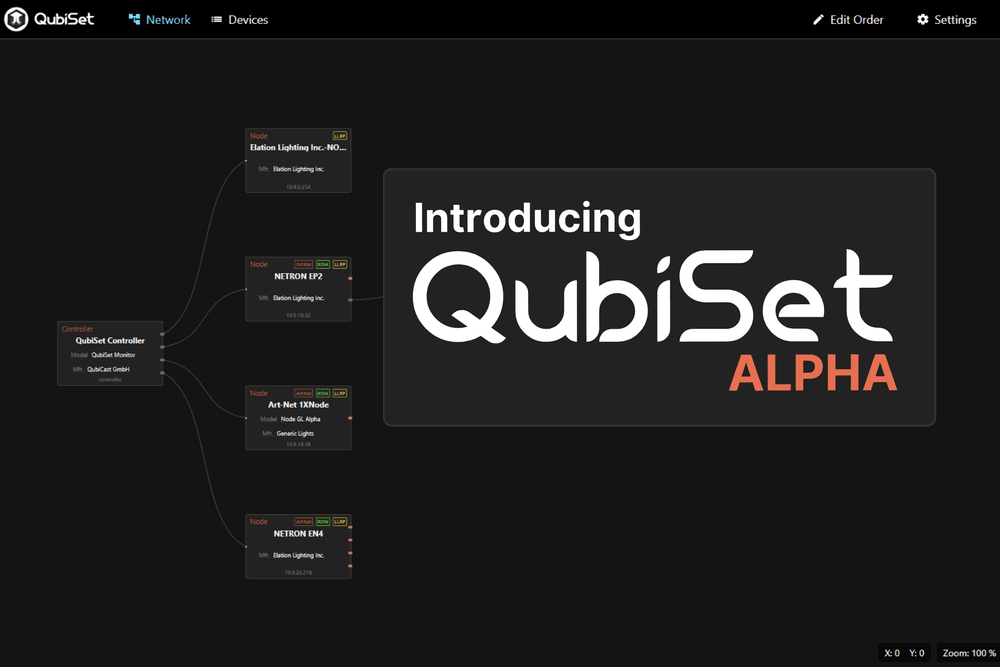
- and an early functioning version of QubiSet, our monitoring software, to be shown at a huge TV screen
The 3D-printed logo became a late-night obsession. There were failed prints, and prototype logos that will never see the light of day. The making of them warrants its own blog article (and turning our 2D logo to a 3D model already has one), but for now here is a picture of its backside:
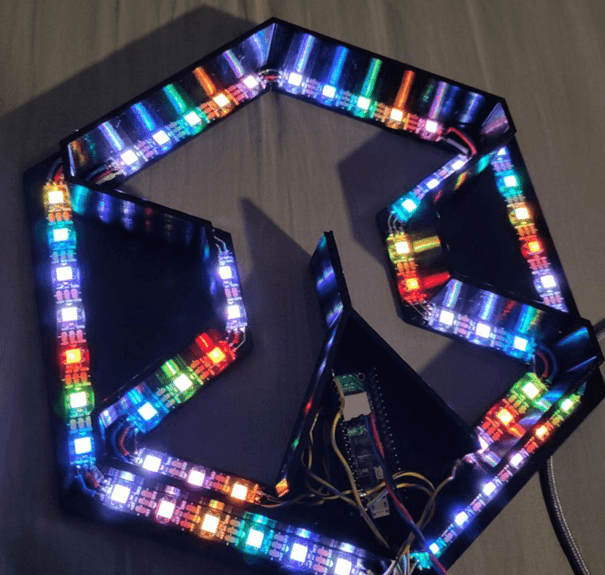
The final result — complete with addressable LED strips and a Raspberry Pi Pico running our own QubiCore stack — was worth every minute. It was the first thing people saw, and it made for a great conversation starter.
Planning the Booth: The Road to Hall 12.1
Once our booth location was set and the first ideas were brainstormed, we sketched out countless layouts in a 3D booth planning tool, debated over where to place the TV and demo table, and measured every centimeter to make sure nothing would block the aisle (or the neighboring laser show). Using the tool we could see exactly how the TV, tables, demo stations, and even our 3D-printed logos would fit together, take a look:
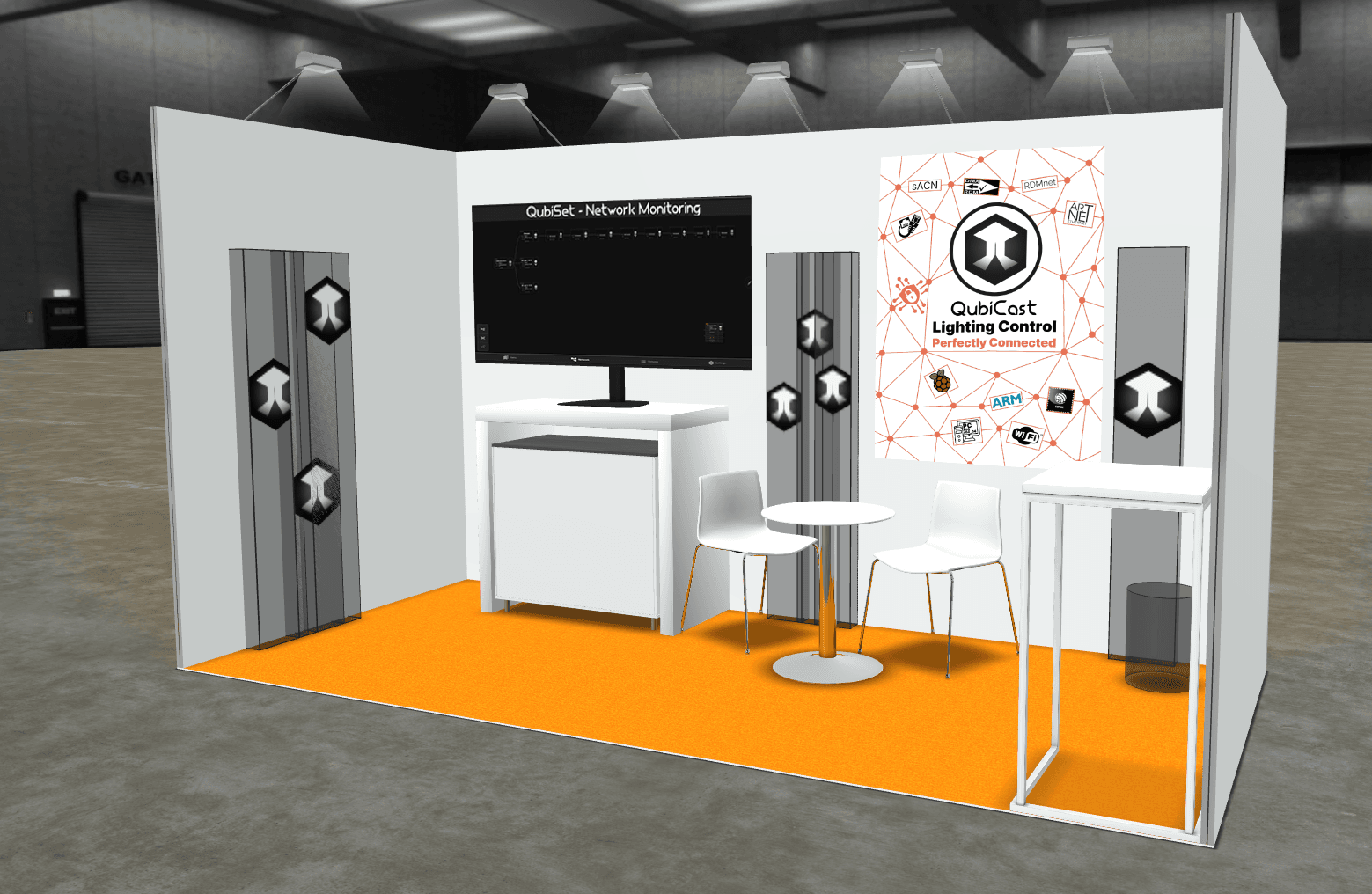
The result was a booth that felt open, inviting, and perfectly suited for hands-on demos and real conversations.
Tip: If you’re planning your first booth, we can’t recommend this approach enough. A little extra effort in the virtual world makes everything smoother in the real one. We used this free online tool.
Fine-Tuning Day: Last-Minute Polish in the Coworking Space
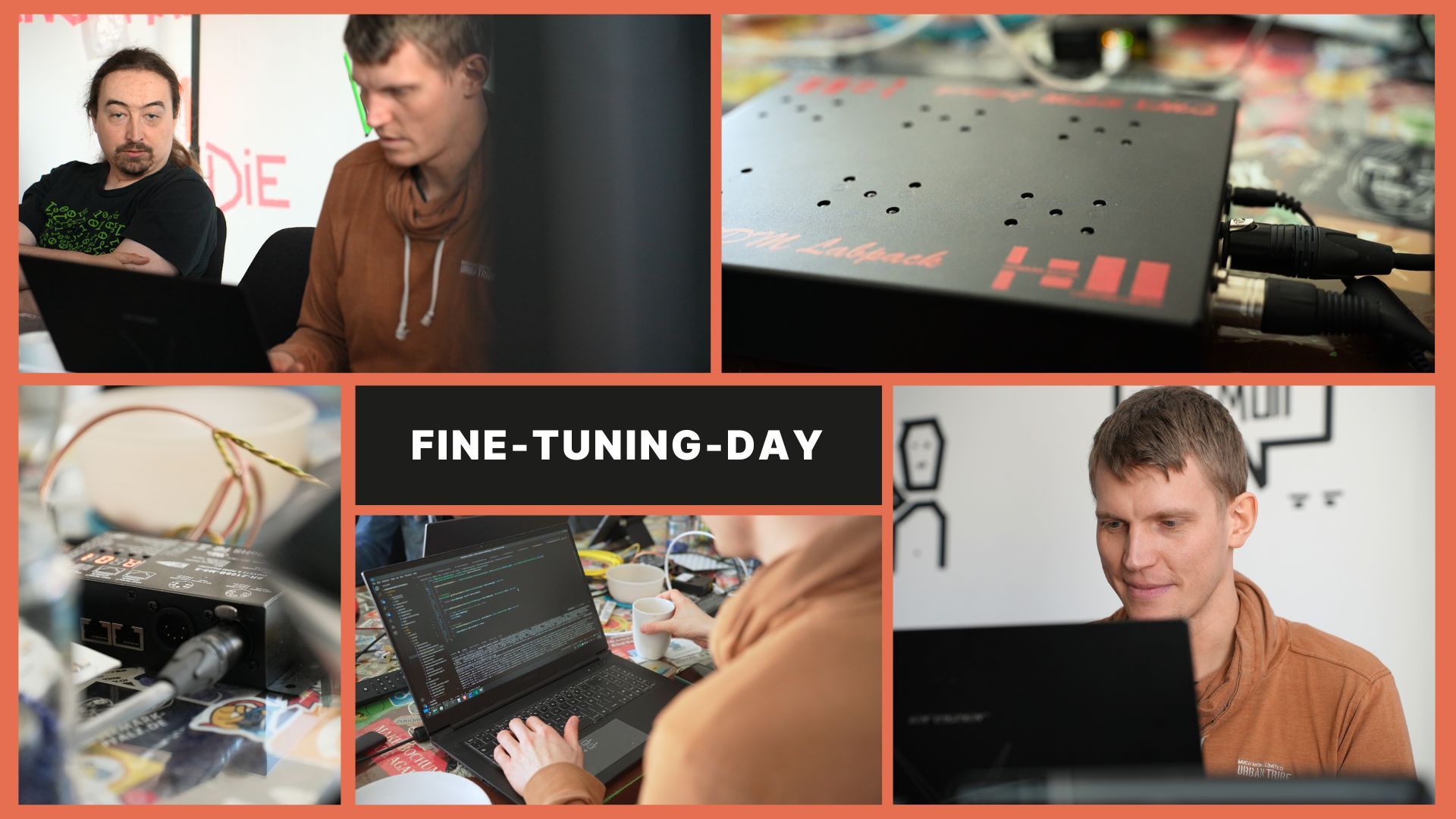
With our booth design finalized, the Friday before the fair became our dedicated fine-tuning day. Instead of recreating the full booth, we camped out in a coworking space, surrounded by nodes, cables, and a scattering of 3D-printed logos.
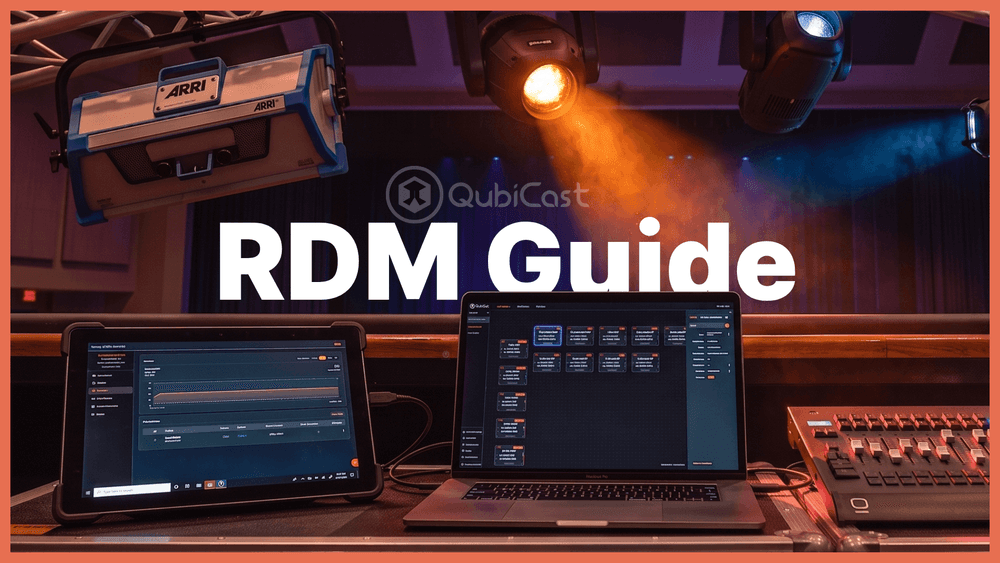
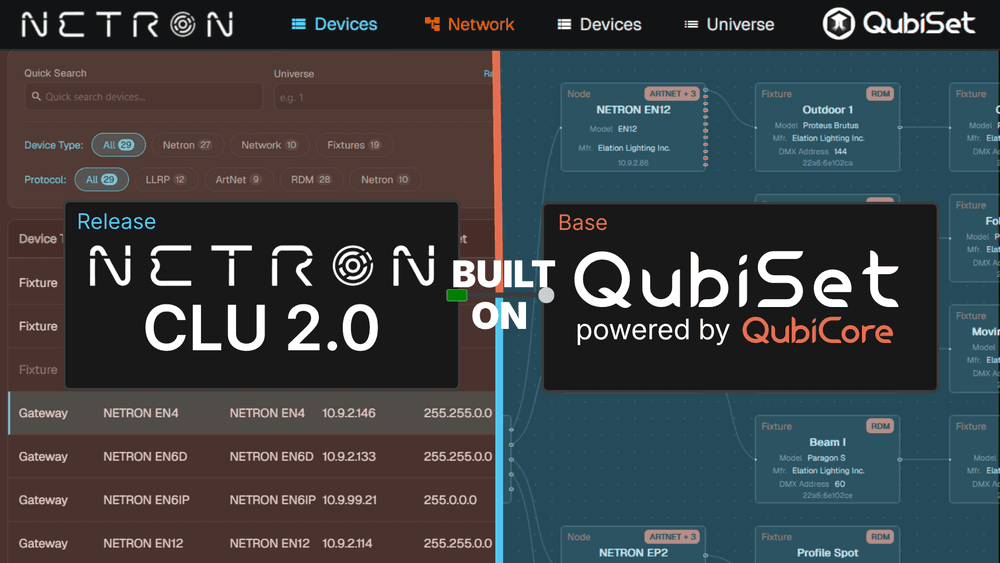
This was all about getting QubiSet and the QubiCore server in top shape. We fired up the RDM LabPack, connected everything on the table, and put the software through its paces. Every feature was tested, tweaked, and tested again. We wanted the demos to run smoothly and to be ready for any question or scenario that might come up on the show floor.
There were moments of frustration - an unexpected bug here, a stubborn network hiccup there - but the team’s energy never wavered. Every issue solved was a small victory, and by the end of the day, we felt confident that QubiSet and QubiCore were ready to shine at Prolight + Sound.
The Setup Marathon: From Empty Floor to QubiCast PLS HQ
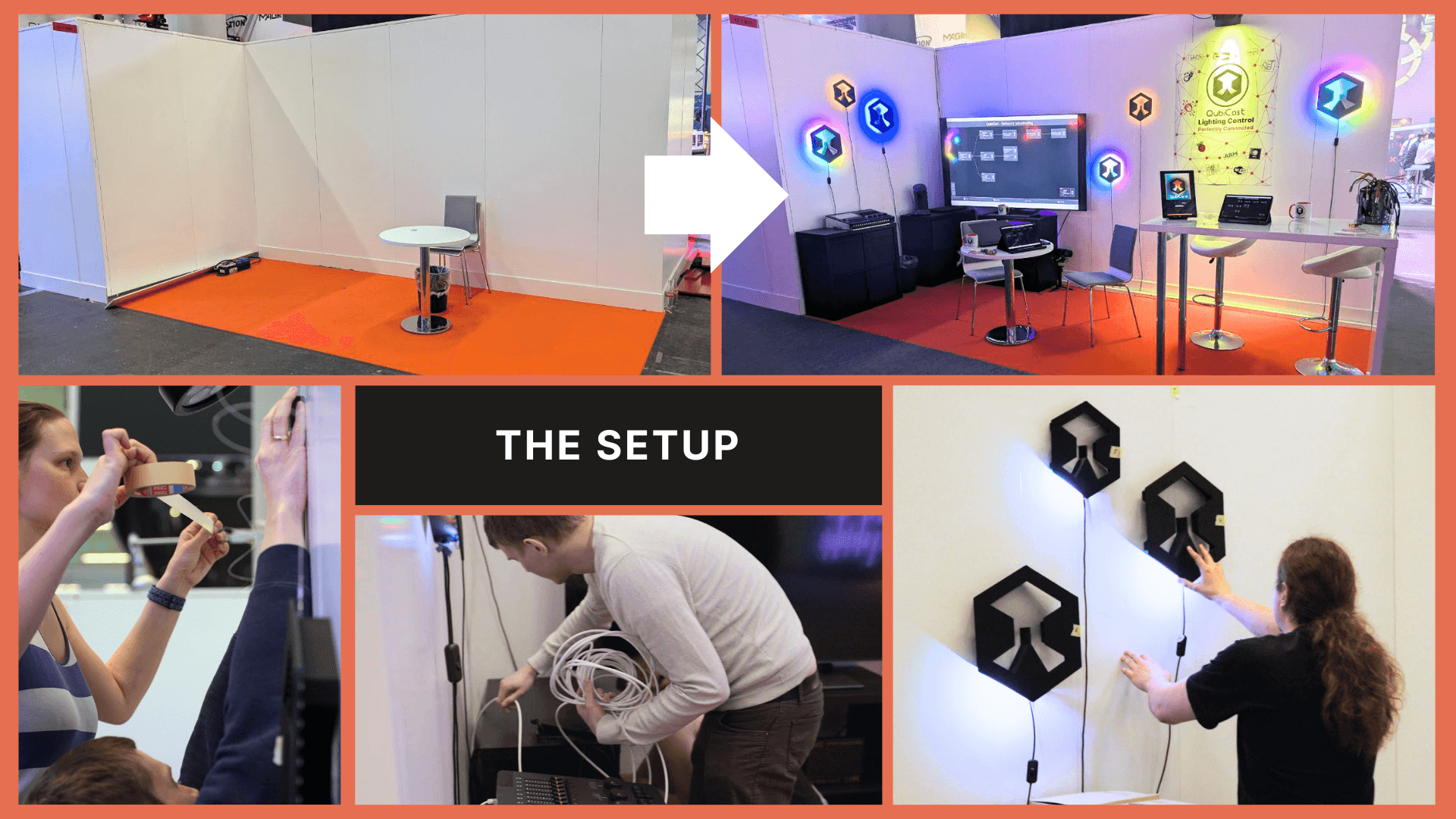
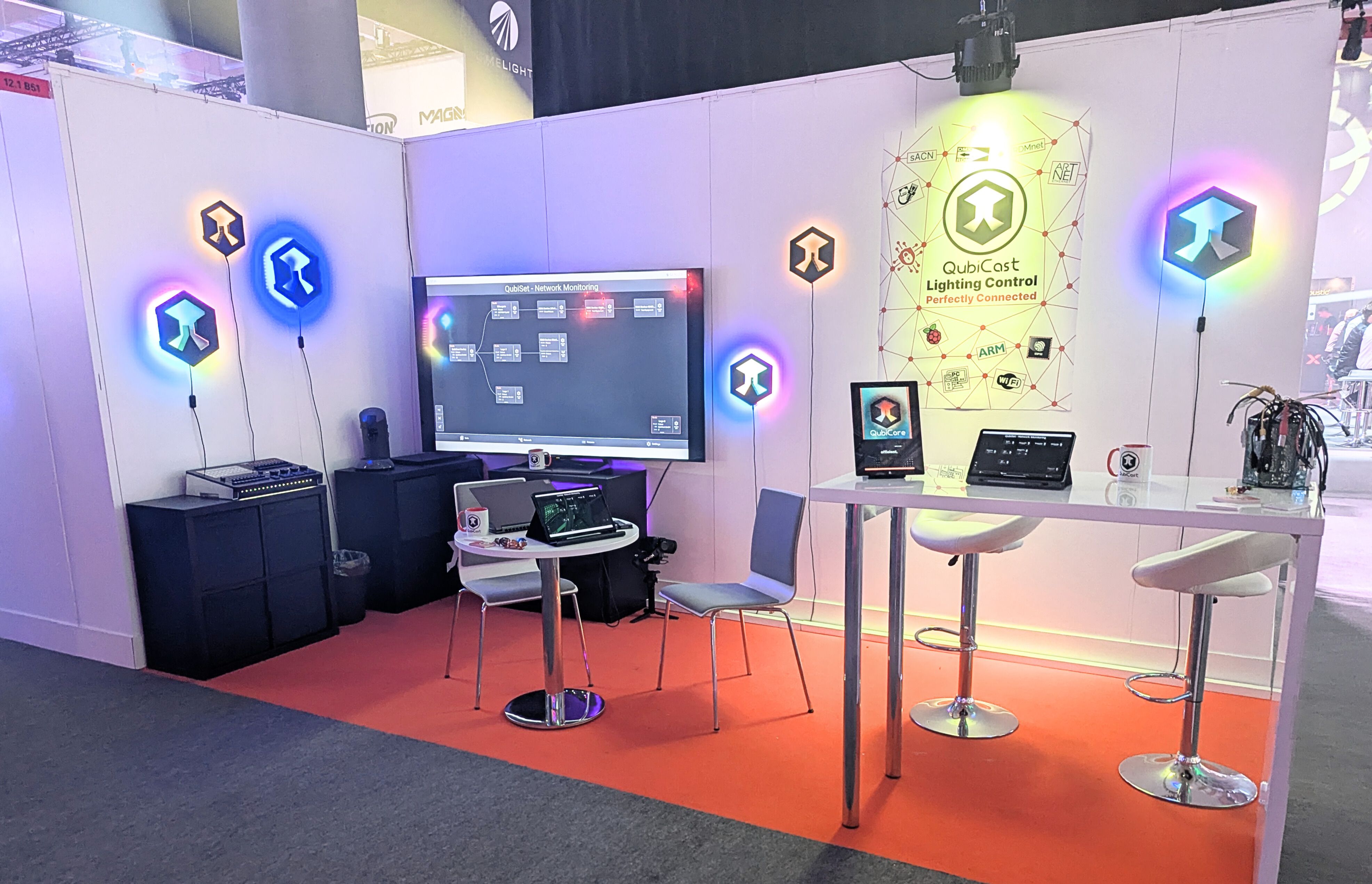
Setup day arrived, and with it, a healthy dose of nerves. Our booth space looked tiny compared to the giants around us, but we were determined to make every square meter count. Unpacking was a controlled chaos of cables, tools, screens, and coffee cups. The TV stand that was simple to setup, still took three people to assemble because of the size of the TV itself (75inch). During the planning phase, the TV seemed oversized for our compact booth, but once everything was set up, it turned out to be the perfect choice-it fit seamlessly into the space and didn’t feel overwhelming at all. Meanwhile, the 3D logos were mounted to the wall with nylon straps, the demo table was assembled, and QubiSet was loaded onto the big screen.
Watch our quick recap video of setting up the booth:
Showtime: Real Conversations, Real Feedback
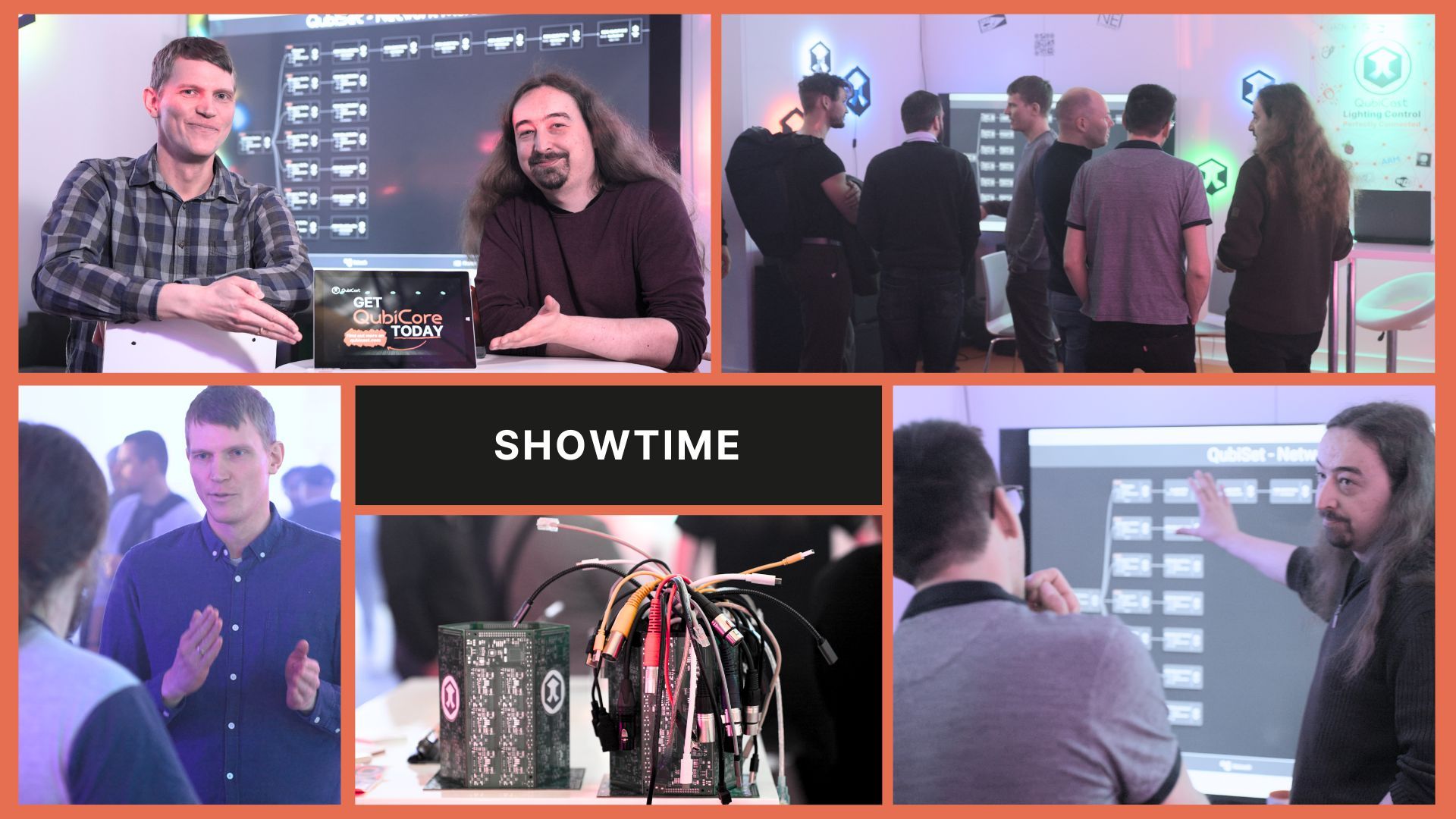
The first day of ProLight & Sound 2025 started off quietly—which, in hindsight, was a blessing. With the doors just opening and visitors still finding their way through the halls, we had precious extra time to iron out a few last-minute issues. As any startup will tell you, nothing ever goes exactly according to plan, and our booth was no exception.
One unexpected challenge was the WiFi environment. Because of time constraints before the fair our 3D-printed logo luminaires, which were meant to be a highlight of the booth, relied on a dedicated WiFi network for control. But with so many overlapping wireless networks in the exhibition hall (because like I told you before, nobody cared about the regulations in place), our luminaires kept dropping offline or lagging behind. We found ourselves trying to find the best spot for the router, running extra cables, and reconfiguring devices on the fly. It was a crash course in trade show networking: always wire your demos—never trust the WiFi at a fair. That lesson is now firmly etched in our playbook.
By midday, we had everything running smoothly, and the rest of the day gave us a chance to fine-tune our demos, rehearse our explanations, and chat with the early-bird visitors who stopped by. Their feedback was invaluable, and the quieter pace let us really dive deep into conversations about lighting control challenges and solutions.
The second day was a completely different story. From the moment the doors opened, our booth was buzzing. There were times when all of us were engaged in parallel conversations—explaining QubiCore’s protocol integration to a manufacturer on one side, and walking a technician through QubiSet’s graphical node monitoring on the other. We barely had a moment to catch our breath, but honestly, we loved every minute of it. The energy in Hall 12 was contagious, and the diversity of questions and ideas from visitors kept us on our toes.
Looking back, the contrast between the two days taught us a lot: be ready for anything, stay flexible, and always have a backup plan for your tech. And above all: Wire your hardware!
Feel the energy on the showfloor in this quick recap video of the fair:
What We Learned: Lessons from Our First Fair
Being at ProLight & Sound as a young startup was both humbling and energizing. We learned that the industry is hungry for solutions that are both powerful and easy to use. We learned that a small booth, when filled with passion and working tech, can attract as much attention as the biggest displays. And we learned that direct, honest feedback from real users is the best way to grow.
We also discovered the value of teamwork under pressure—whether it was fixing a last-minute software bug, re-routing cables to avoid a tripping hazard, or simply keeping each other motivated through long days on the show floor.
And once again as we can’t stress this enough: Never trust WiFi at a trade show. The troubleshooting of our 3D-printed luminaires at the fair including buying a new router reinforced an important lesson—wired connections are critical for demo hardware stability, especially where wireless interference is high.
Thank You and What’s Next
As ProLight & Sound 2025 came to a close, we felt a mix of exhaustion and excitement. We’re incredibly grateful to everyone who stopped by, shared their ideas, and challenged us to think bigger. Your questions, suggestions, and encouragement have already sparked new ideas for QubiCore and QubiSet.
We’re back in the lab now, building on what we learned and preparing for the next chapter. If you missed us at the fair, check out the gallery and highlight videos — and don’t hesitate to reach out if you want to connect or see a demo.
If you are interested in our network monitoring solution, you can also register for our QubiSet Beta program here.
Thank you for being part of QubiCast’s first big step into the world of lighting control. We can’t wait to show you what’s next.