
Monitoring a lighting network has always been harder than it should be. This difficulty arises because legacy protocols simply weren't designed with observability in mind. Art-Net and sACN were built to move DMX data from point A to point B. Whether anyone could watch, verify, or audit that traffic along the way was never part of the specification.
Sig-Net changes this. While it is not a monitoring tool itself, the protocol's architecture makes monitoring fundamentally easier. For anyone building or operating monitoring infrastructure on lighting networks, the difference is structural, not incremental.
The Monitoring Problem with Art-Net
Art-Net uses a mix of broadcast and unicast transmission. ArtPoll discovery packets are broadcast, meaning a monitoring tool on the network can see them passively. But the actual DMX data (ArtDmx packets) can be either broadcast or unicast, depending on how the system is configured. In unicast mode, DMX data flows directly between two devices. A monitoring tool on a different switch port may never see that traffic unless the switch is configured with port mirroring.
This creates a fundamental observability gap. A monitoring tool might see all the discovery traffic and know which devices are on the network, but miss the actual DMX data entirely. You know what's connected, but not necessarily what's being controlled or by whom.
Art-Net also has no concept of authentication. Any device on the network can send ArtDmx packets to any universe. A monitoring tool can see traffic, but it has no way of knowing which source is intentional and which is accidental. A misconfigured laptop sending Art-Net packets looks exactly like your primary console. The protocol treats every source equally because it has no concept of authorization. Every source looks the same at the protocol level.
sACN Is Better but Hits a Ceiling
sACN improved the situation significantly by using multicast. Each universe maps to a dedicated multicast group address (239.255.x.x), and any device that subscribes to that group receives the data. A monitoring tool can subscribe to every group and see all traffic passively, no port mirroring required.
This is a real advantage. Multicast-based protocols are inherently more observable because the data is available to any subscriber on the network segment. A monitoring tool doesn't need special switch configuration or privileged access. It just listens.
But sACN has a scalability problem. Each universe requires its own multicast group, and each group requires an IGMP join. Network switches maintain forwarding tables that track which ports need which multicast groups. As universe counts grow into the hundreds, the number of IGMP entries can exceed what commodity switches can handle. This is known as IGMP exhaustion, and when it happens, the switch falls back to flooding multicast traffic to all ports, effectively turning multicast into broadcast. At that point, every device on the network receives every universe's data whether it needs it or not, and the monitoring advantage disappears under a flood of unwanted traffic.
For large installations running 100+ universes, this is a practical constraint that limits both performance and observability.
What Sig-Net Does Differently
Sig-Net retains sACN's multicast-first approach but solves the scalability problem through what it calls "multicast folding." Rather than mapping each universe to its own multicast group, Sig-Net folds multiple universes into fewer multicast addresses. The exact mechanism reduces the number of IGMP entries the switch needs to maintain, keeping multicast viable even at very high universe counts.
This matters for monitoring because it preserves the passive observability advantage of multicast without hitting the IGMP ceiling. A monitoring tool on a Sig-Net network can observe all traffic flowing through the network by subscribing to the relevant multicast groups, regardless of whether the system is running 10 universes or 1,000.
But the more significant change for monitoring is authentication.
Authentication Creates a New Monitoring Layer
In Art-Net and sACN, monitoring can tell you what data is on the network but not whether that data is legitimate. A rogue device sending DMX to universe 1 looks identical to the primary console sending DMX to universe 1. The protocol provides no mechanism to distinguish between them.
Sig-Net introduces authentication at the protocol level. Every sender on the network must prove it is authorized to transmit. This means a monitoring tool observing Sig-Net traffic can, for the first time, make a distinction between authorized and unauthorized sources. A device that fails authentication isn't just another node with unexpected data. It's a flagged anomaly.
This opens up a new layer of monitoring capability. In practice, this will most often mean catching misconfigured devices rather than deliberate security threats. A fixture with the wrong credentials or a node that was factory-reset and lost its authentication shows up as an anomaly rather than blending silently into the network. That's a significant improvement over protocols where misconfigured devices are invisible until something visibly breaks. A monitoring tool can track not just "is universe 4 receiving data" but "is universe 4 receiving data from an authorized source." In a CRA-compliant environment, this distinction is directly relevant to the security posture documentation manufacturers need to maintain.
Flat Architecture Means No Single Point of Failure
RDMnet, the ANSI standard for RDM over IP networks, introduced a broker-based architecture. All RDM communication between controllers and devices had to pass through a central broker server. The broker introduced a dependency that made the architecture more complex and potentially fragile. While the specification included provisions for redundancy, the overall approach added a layer of infrastructure that most manufacturers considered disproportionate for the problem it was solving.
The industry's response to the broker requirement was largely negative. Most manufacturers chose not to implement RDMnet at all, which meant RDM over IP remained fragmented and difficult to monitor at scale.
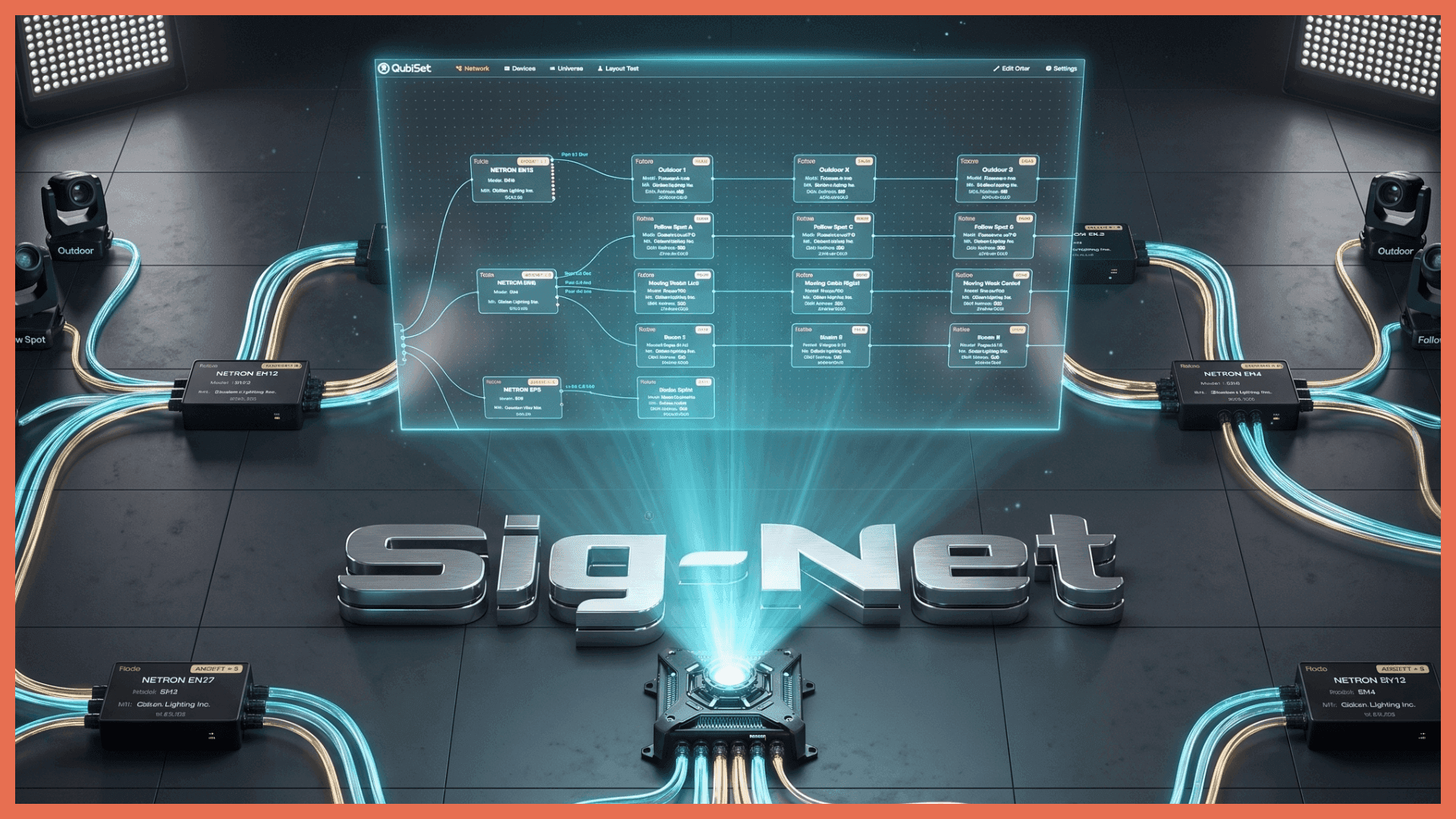
Sig-Net drops the broker entirely. It uses a flat, publish-subscribe model where devices announce their presence and capabilities via multicast, and controllers subscribe to the devices they need. Any device on the network, including a monitoring tool, can observe these announcements passively. There is no central point of failure, and monitoring is not dependent on a single server staying online.
This also aligns with how RDM itself has evolved. The 2025 revision of the RDM standard introduced architectural changes that mesh with Sig-Net's publish-subscribe approach, making the protocol future-ready for both control and monitoring workflows.
What This Means for Monitoring Tools
For teams building monitoring infrastructure, Sig-Net's architecture is a meaningful improvement in three areas.
First, passive observability at scale. Multicast folding means a monitoring tool can see all network traffic without IGMP exhaustion, even on large systems. No port mirroring, no special switch configuration.
Second, source verification. Authentication means monitoring can distinguish legitimate from unauthorized traffic for the first time in entertainment lighting. This is a new data point that didn't exist in previous protocols.
Third, decentralized visibility. The flat architecture means monitoring tools can observe the full network from any point, without depending on a broker or controller to relay information.
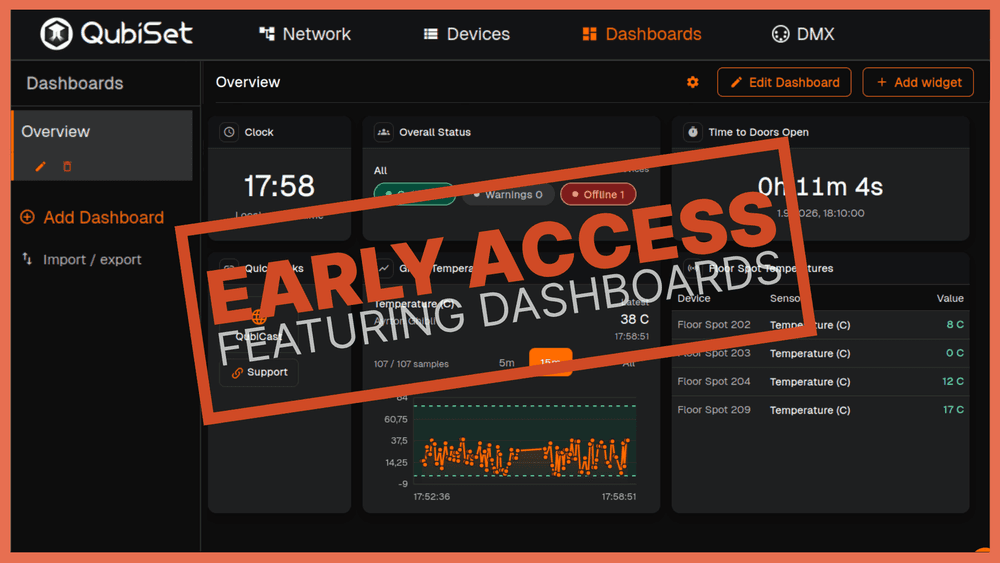
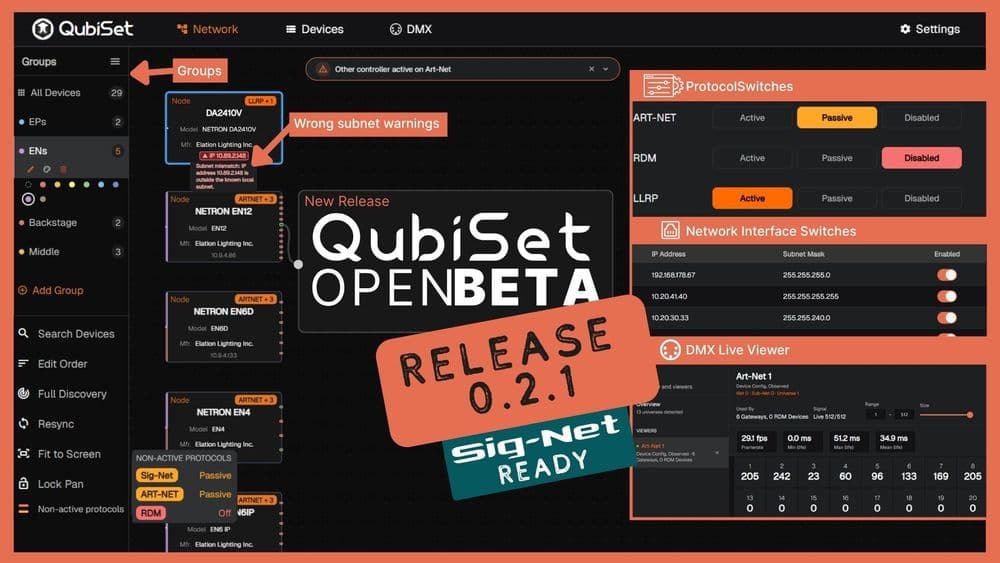
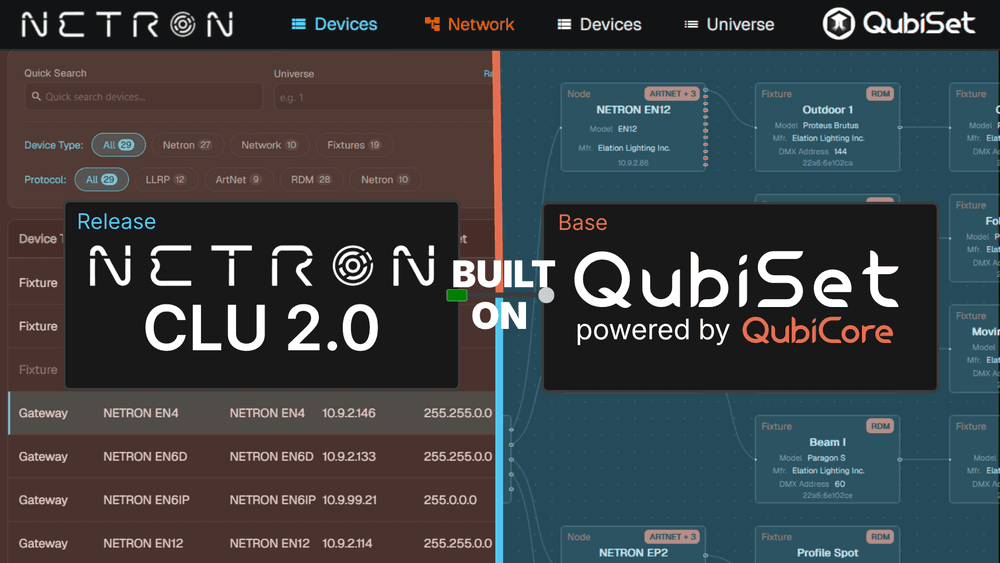
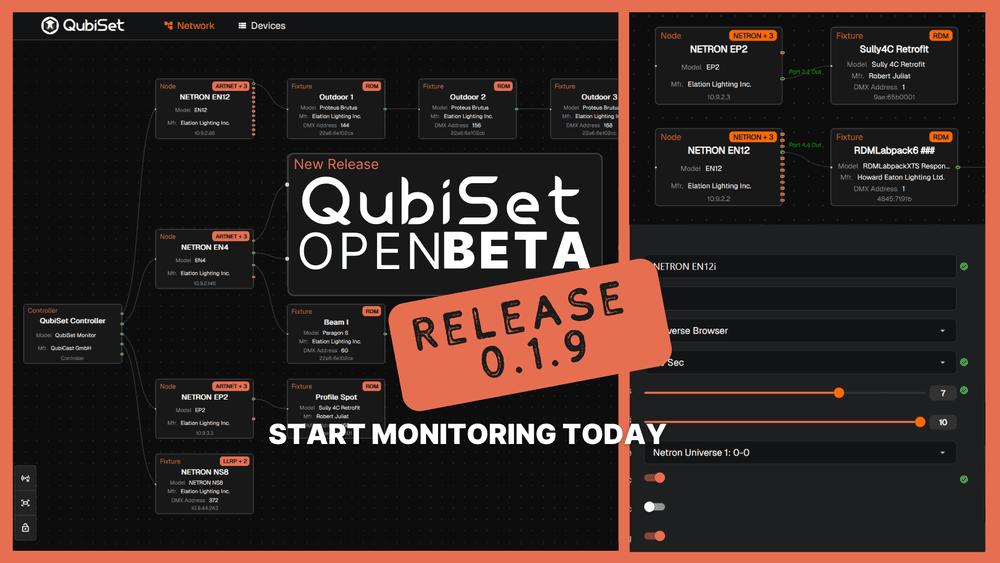
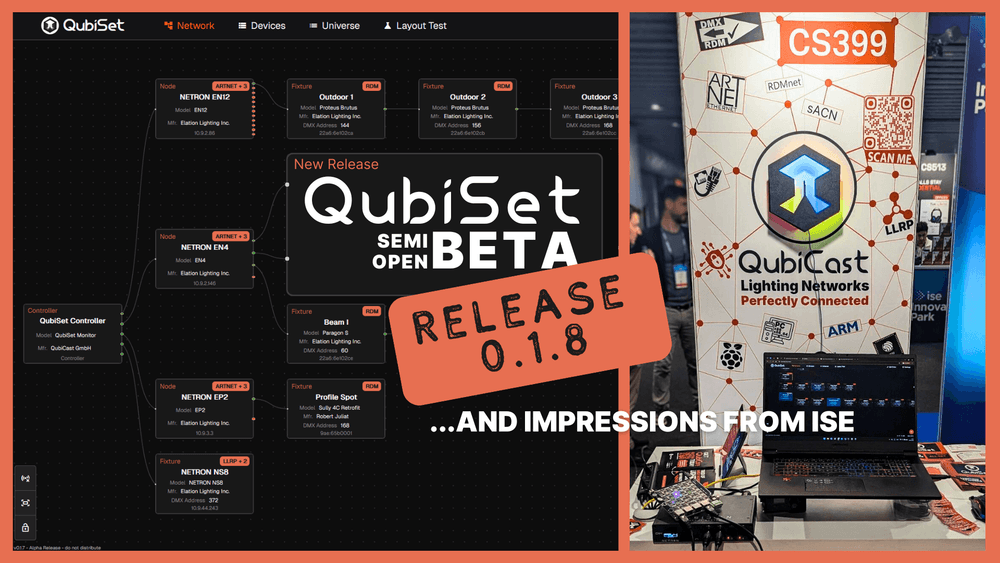
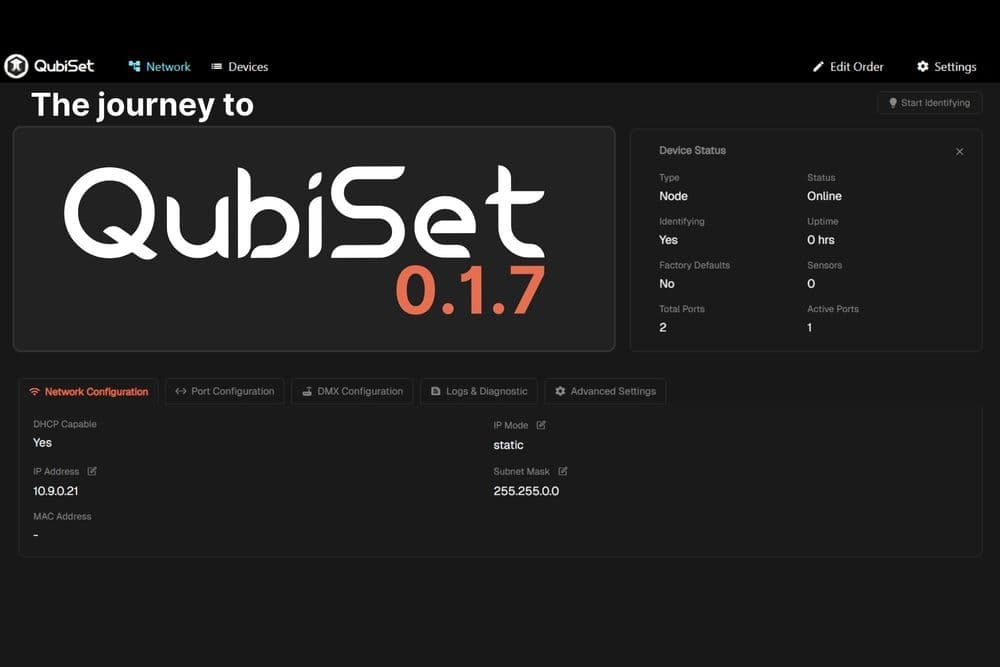
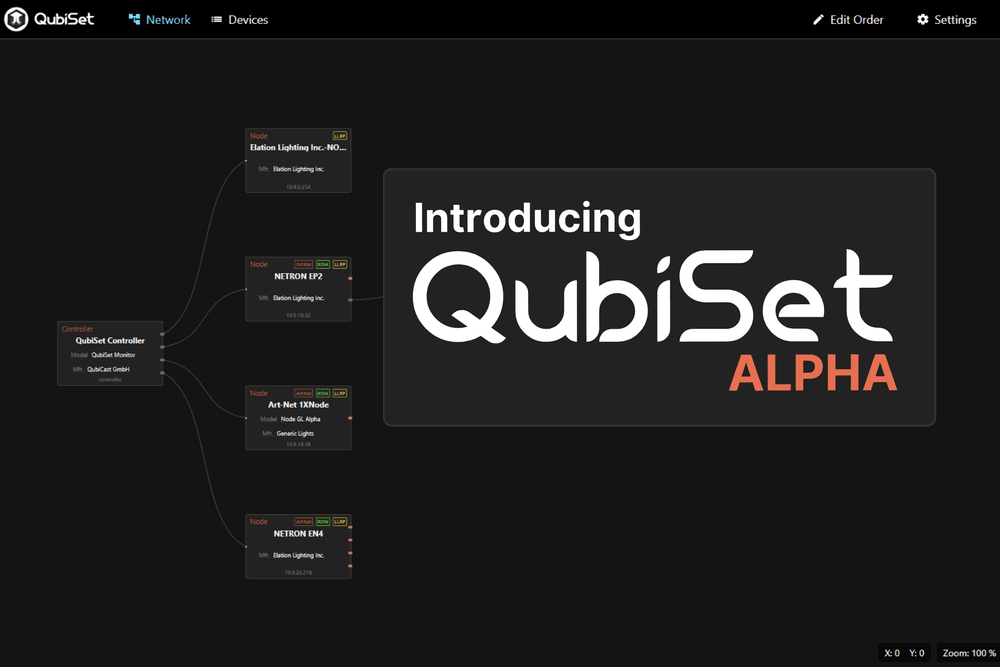
For QubiCast, Sig-Net's architecture aligns naturally with how QubiSet already approaches network monitoring: passive discovery, live device tracking, and protocol-level visibility across Art-Net, RDM, LLRP, and sACN. As Sig-Net adoption grows and manufacturers begin shipping compatible products, the monitoring capabilities that the protocol enables will become increasingly relevant.
Sig-Net adoption is just beginning, but the monitoring advantages it enables are already clear. The protocol was designed with observability in mind from the start, and that makes all the difference.